
The Balkan region— also referred to as former Yugoslavia or Southeastern Europe— has enchanted me for years. Even so, I knew so little about it, other than its diversity of ethnicity and language, its coastal summer crowds, and its fraught recent history.
Earlier this year, we realized that April was our best bet for making it there in the near future. So, we dusted off the travel research we’d stashed away since watching Anthony Bourdain eat his way through Croatia, and booked our flights. We played with a handful of iterations, realizing we’d have to find the best driving route through the region to stop at all the cities and sights we wanted within less than 2 weeks. It would be a cursory visit, for sure— but nonetheless exciting. We decided that this time, we’d visit Slovenia, Croatia, Bosnia and Herzegovina, and Montenegro. There’s much more we’d like to come back for, hopefully in the not-too-distant future.
Heading into the trip, I was familiar with a few contours of the region’s culture and history. But even after doing some desk research, looking for documentaries, memoirs, histories and more— I felt lost in a sea of information and perspectives I barely had the heuristics for. In recent years, I’ve turned to realistic historical fiction as a way of understanding a region I’m visiting, especially as it brings some of the lived experiences of local communities to life.
As we rode through the countryside in our rental car, we listened to Girl At War by Sara Novic. Set in the 90s in Zagreb, the story follows a young girl’s journey through the horrors of war, coming of age, and eventually finding her way home. The book was moving, devastating, and so enlightening. There are so many explanations as to how and why former Yugoslavia fell apart, what it ever really was, and how perceptions of ethnic differences (and similarities) have shifted over time. Combined with the numerous influences through the region over the years, the range of landscapes, architecture, food and art reflect human existence thousands of layers deep.
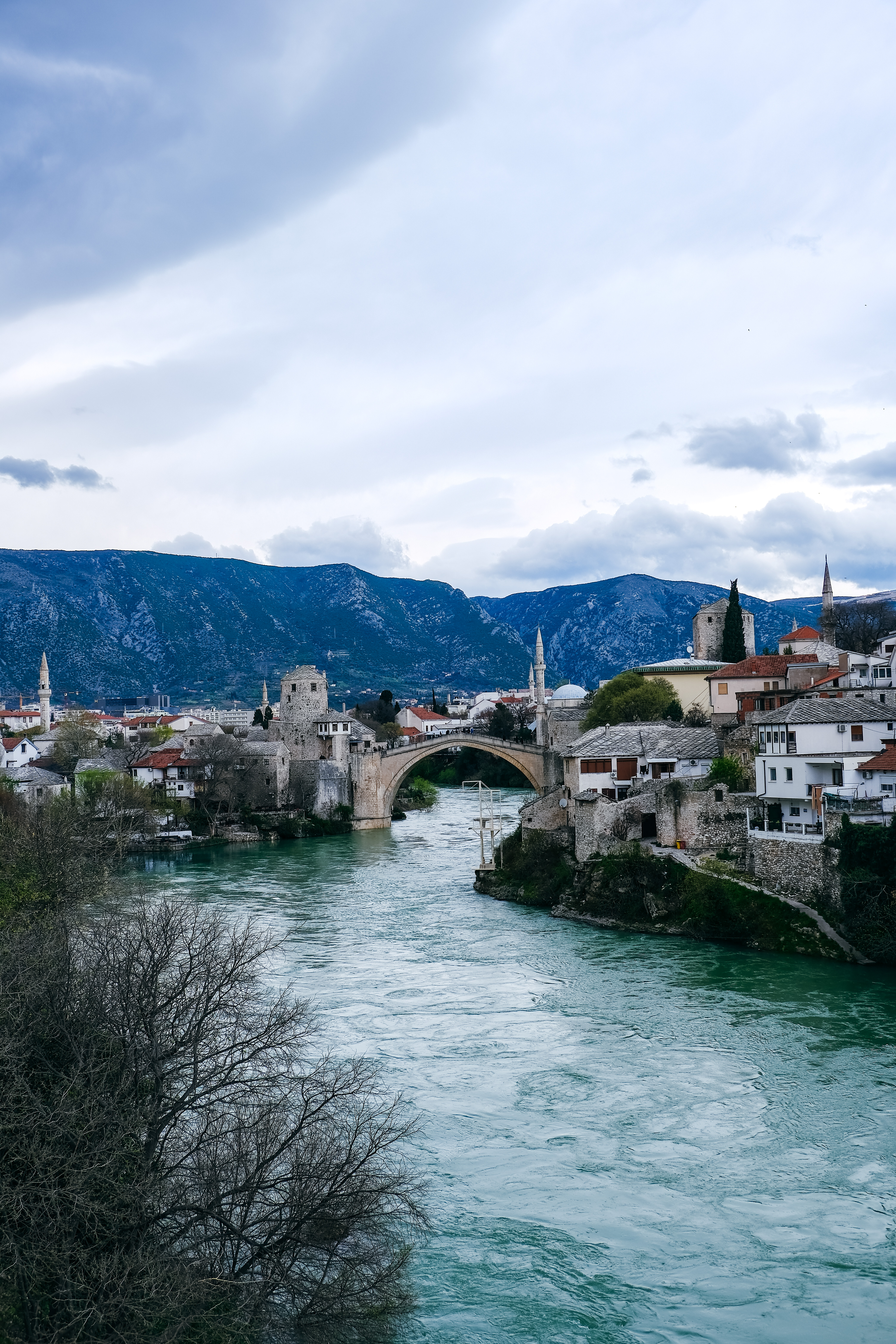
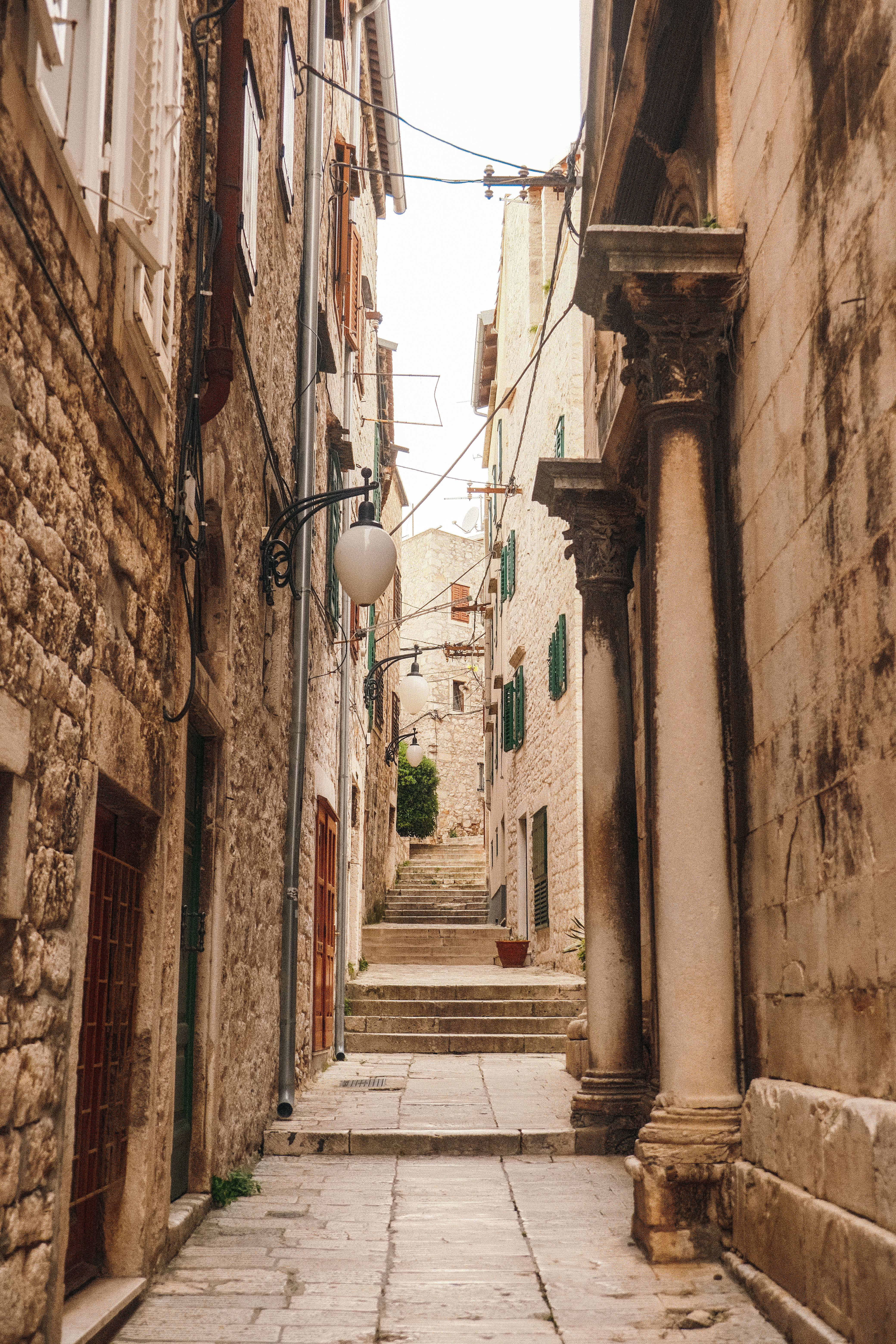
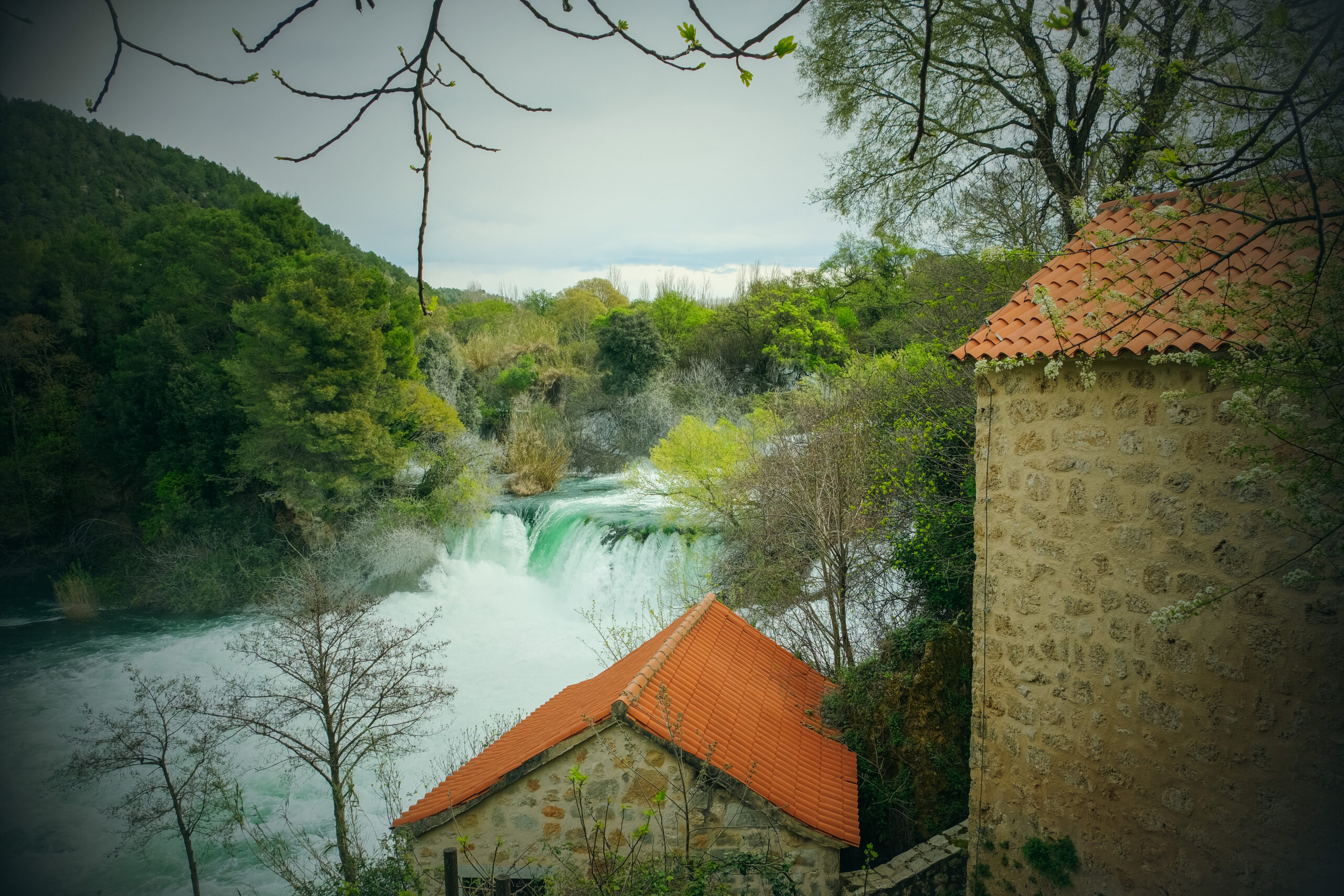
Table of Contents
Our first stop: Ljubljana, Slovenia
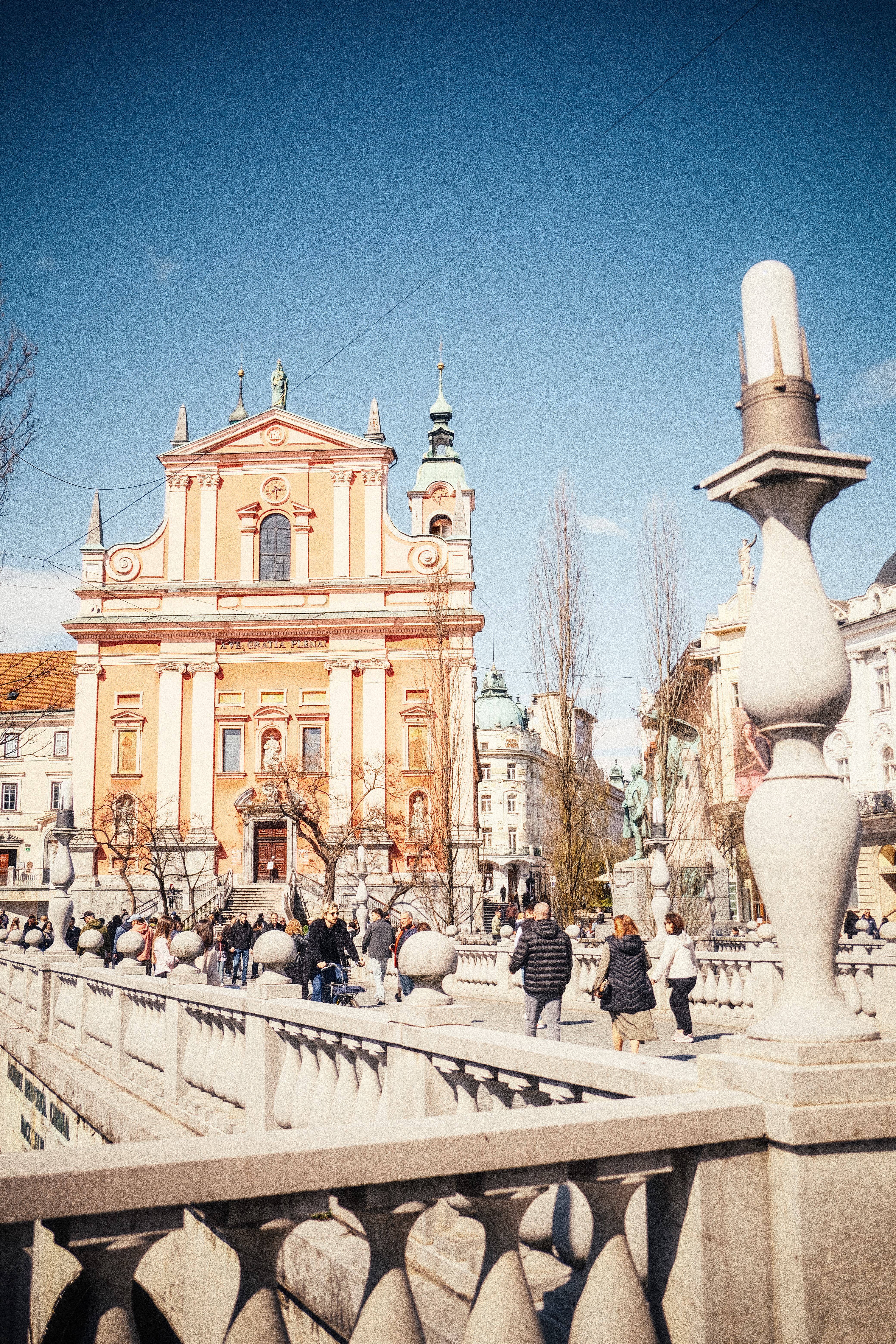
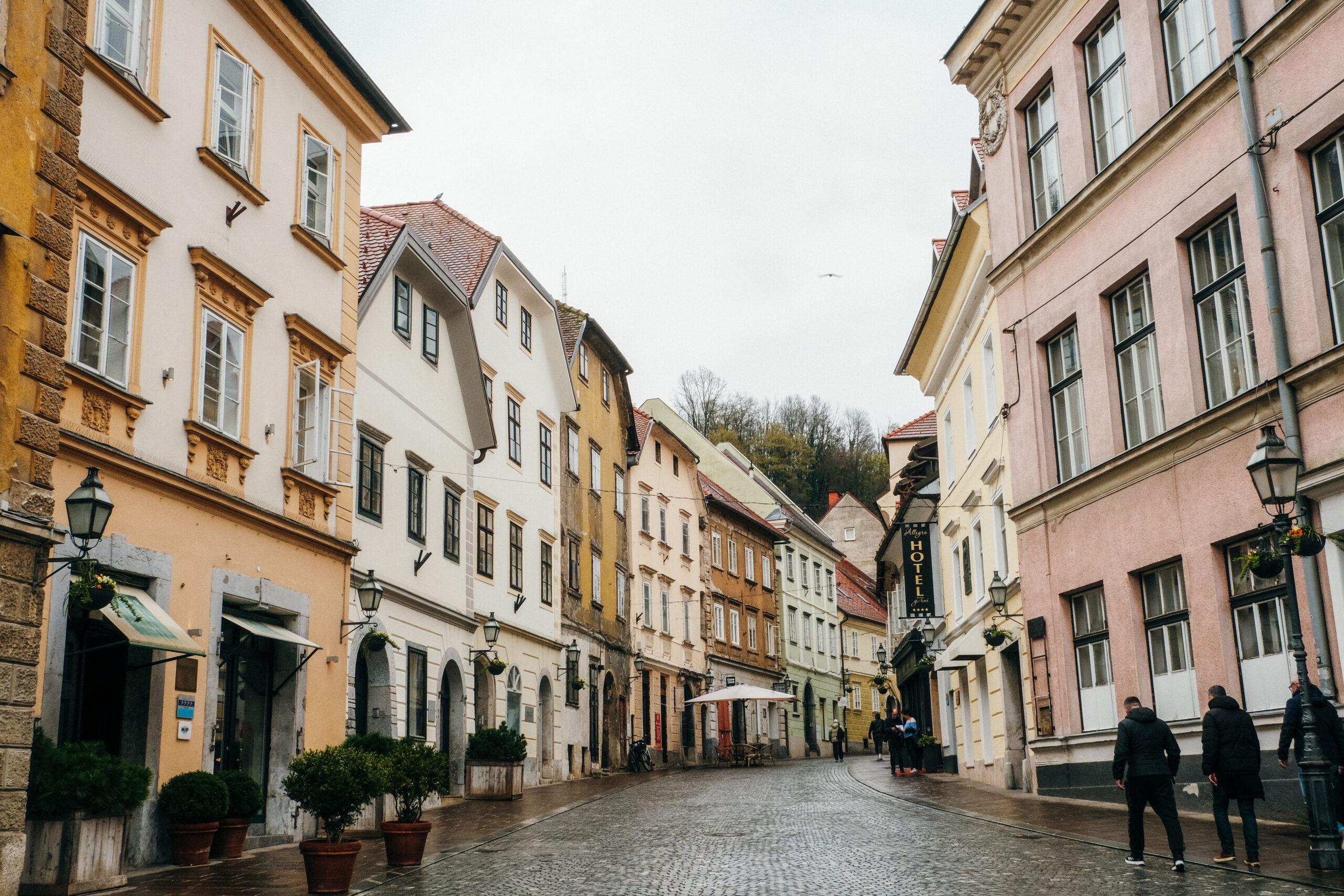
We arrived at night in Ljubljana after a long-ish layover in Istanbul. It was cold and rainy, just waking up to spring. Thankfully, our goal in Ljubljana was simply to rest, adjust and do a little bit of exploring. A gift of semi-last minute trip planning is that it’s nearly impossible to reserve or sign up for too many things. We greet our destinations as we are— messy, tired, distracted— and we let them show us what there is to see.
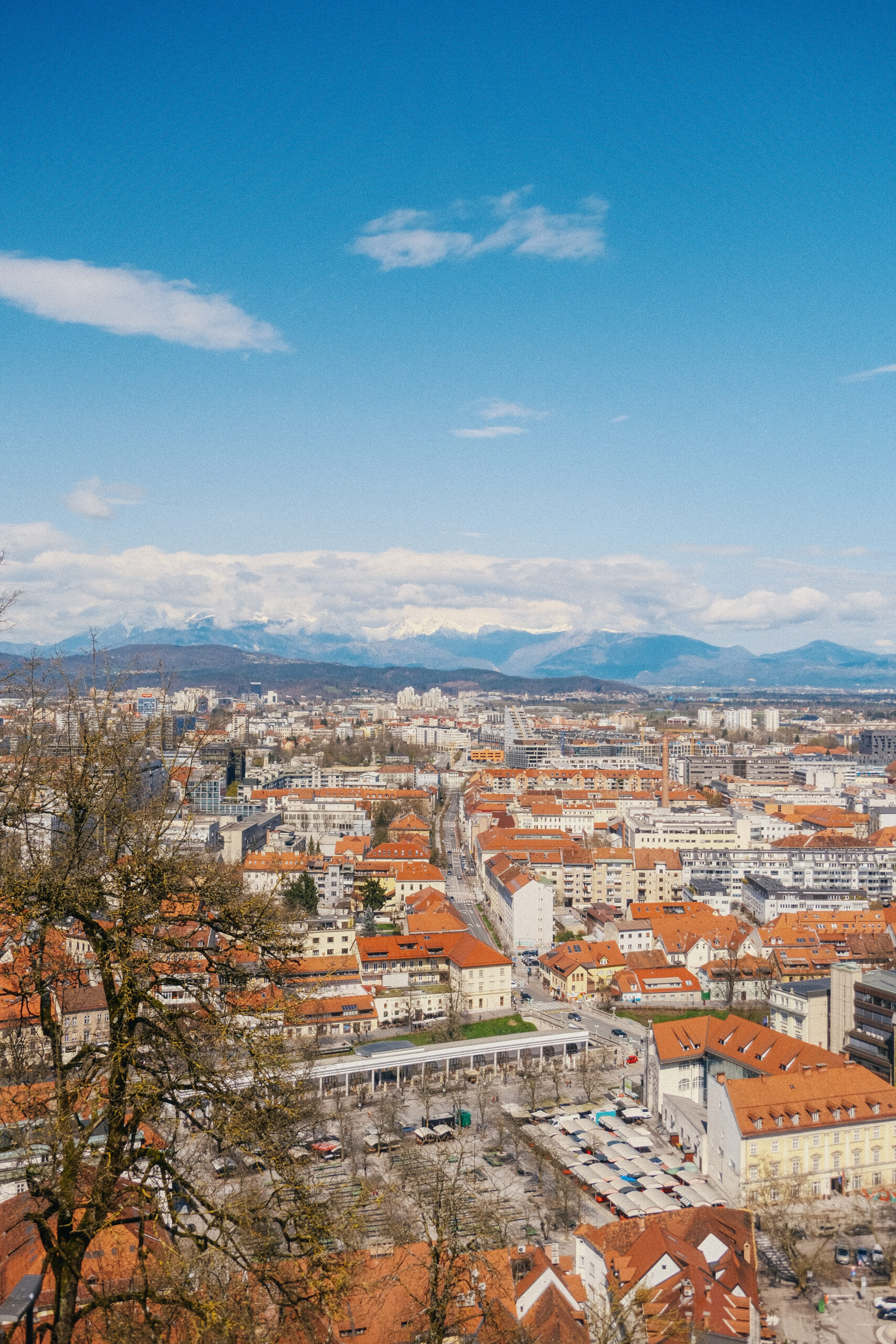
Ljubljana has a beautiful castle view point with several restaurants perched on top. In April, many of the town’s restaurants aren’t open and dining al fresco is still too chilly. We were also there on a Sunday, which is a day off for most people. Wandering around the quiet town and enjoying the colorful architecture really was the best thing to do.
Ljubljana to Šibenik, Croatia
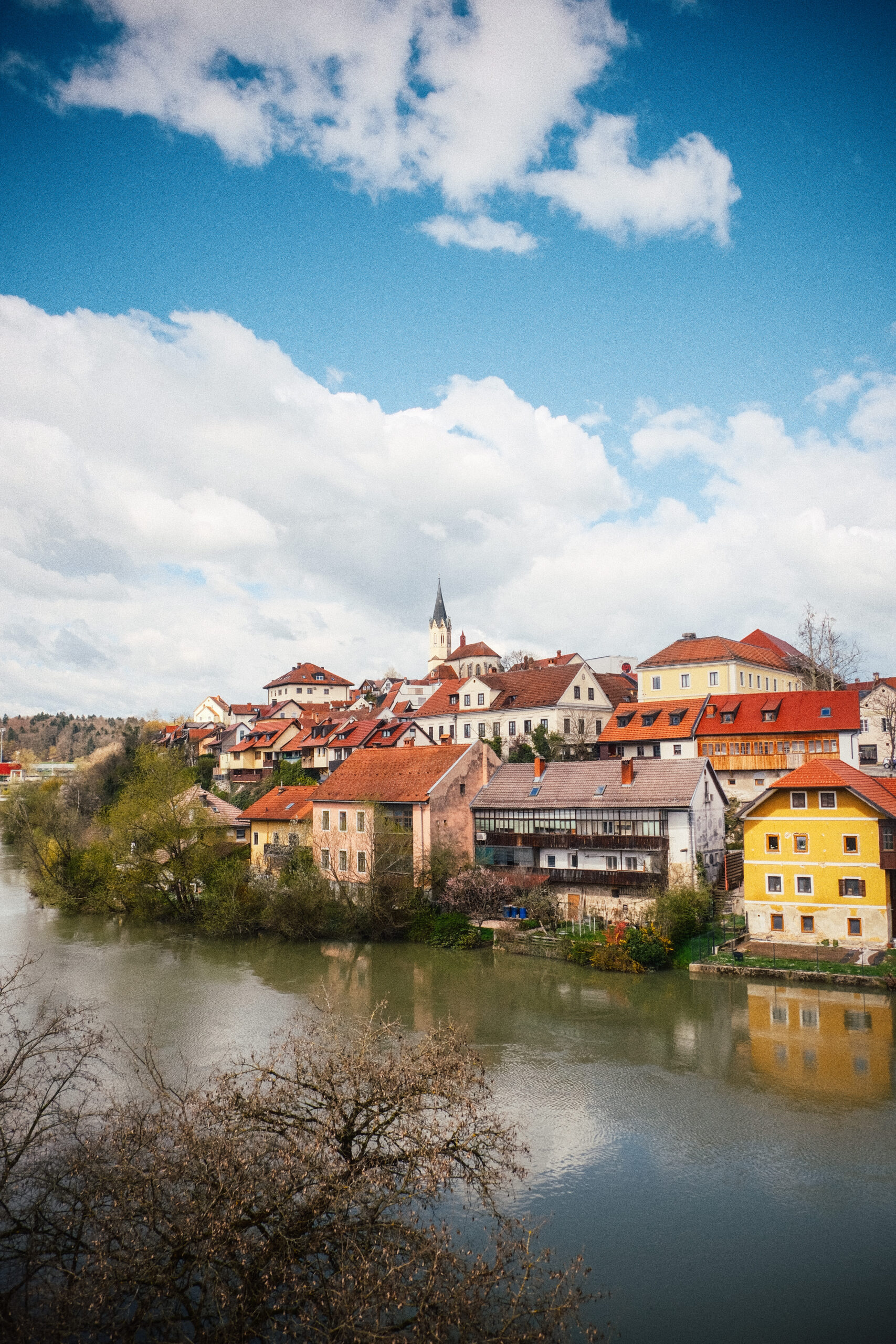
We made our way through the Slovenian countryside, where churches perched on rolling hills greeted us at every turn. En route, we stopped at a charming town called Novo Mesto, complete with a small town square, decent coffee, and kind people. It’s not a common tourist stop so it was lovely to wander around and get a glimpse of local life.
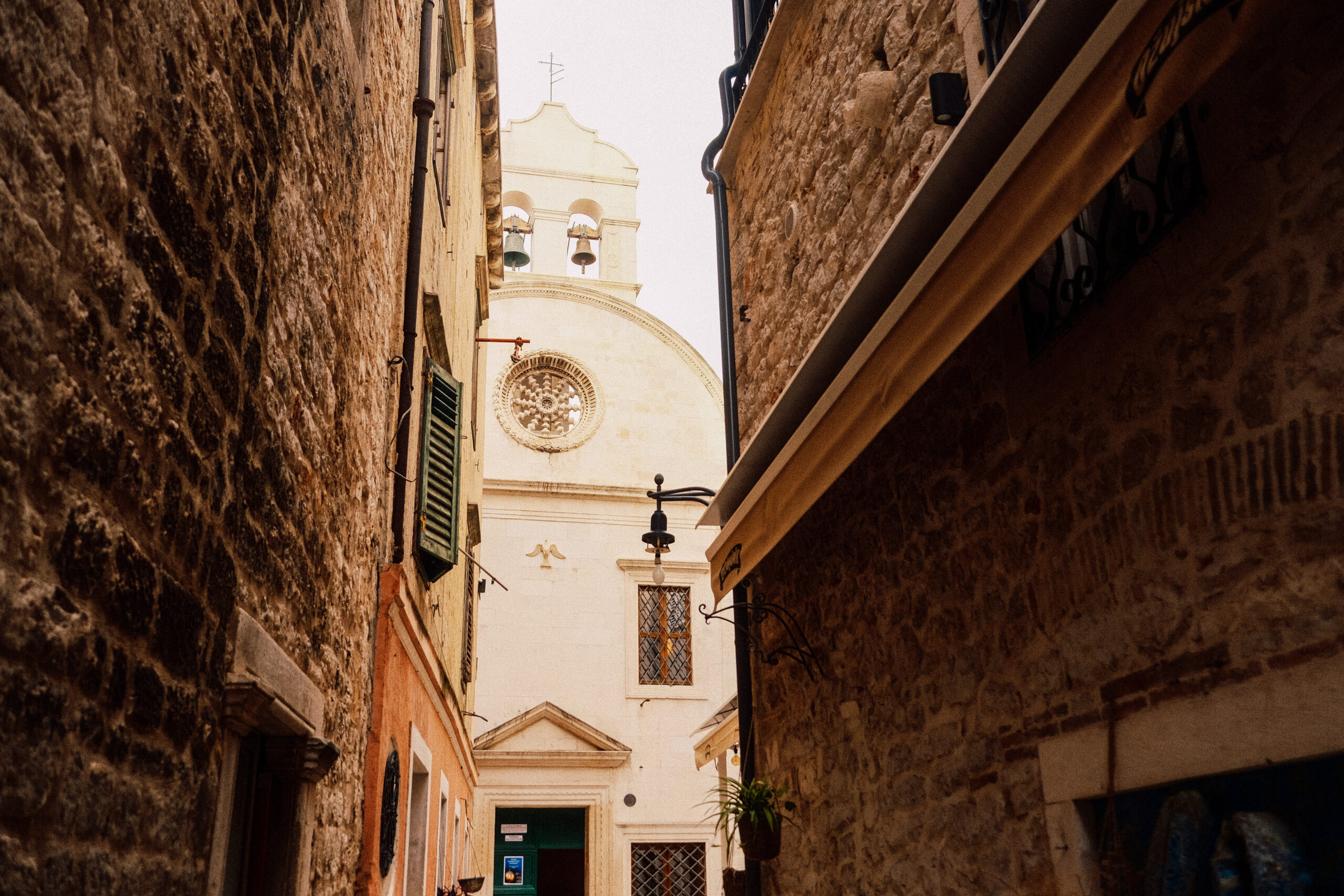
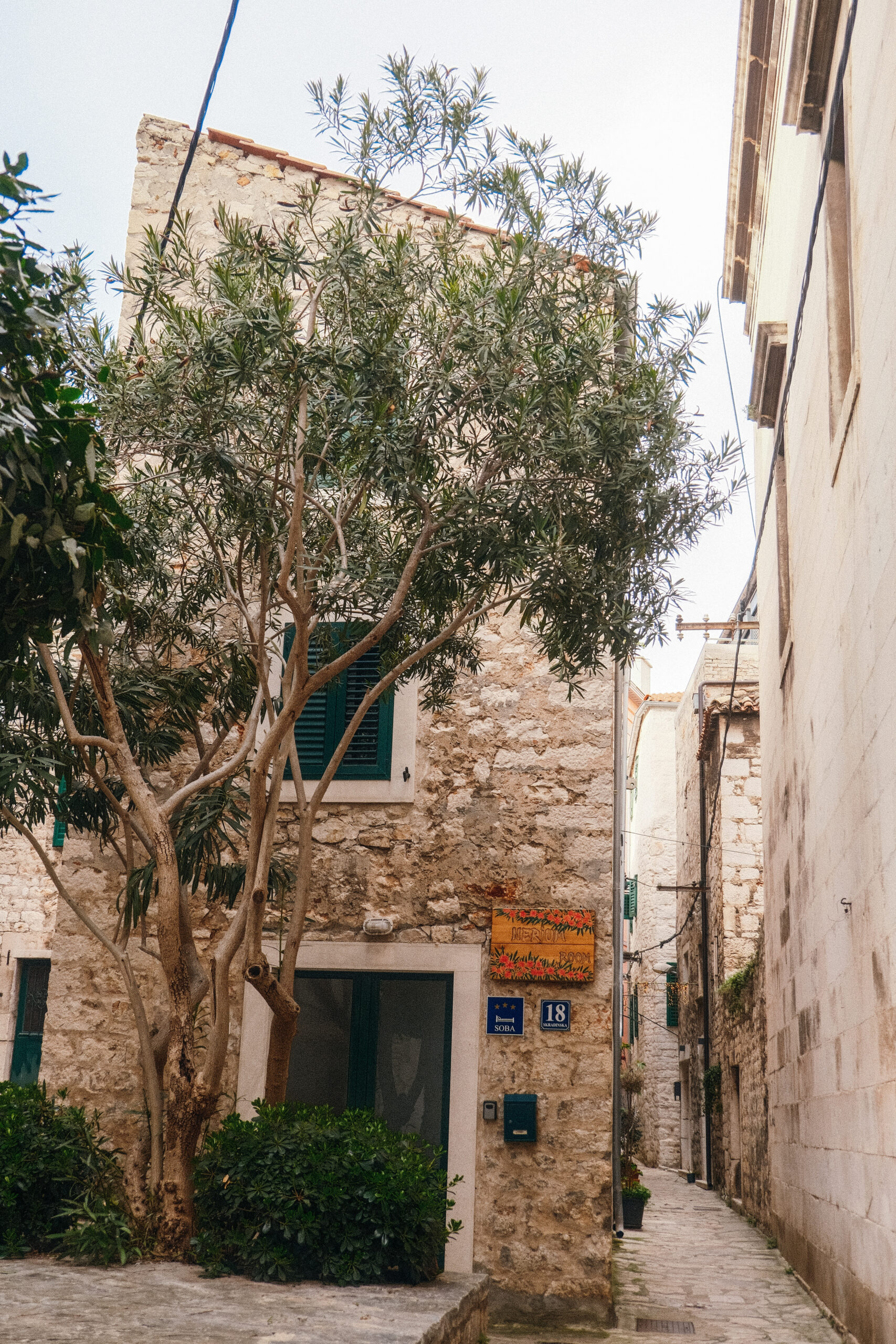
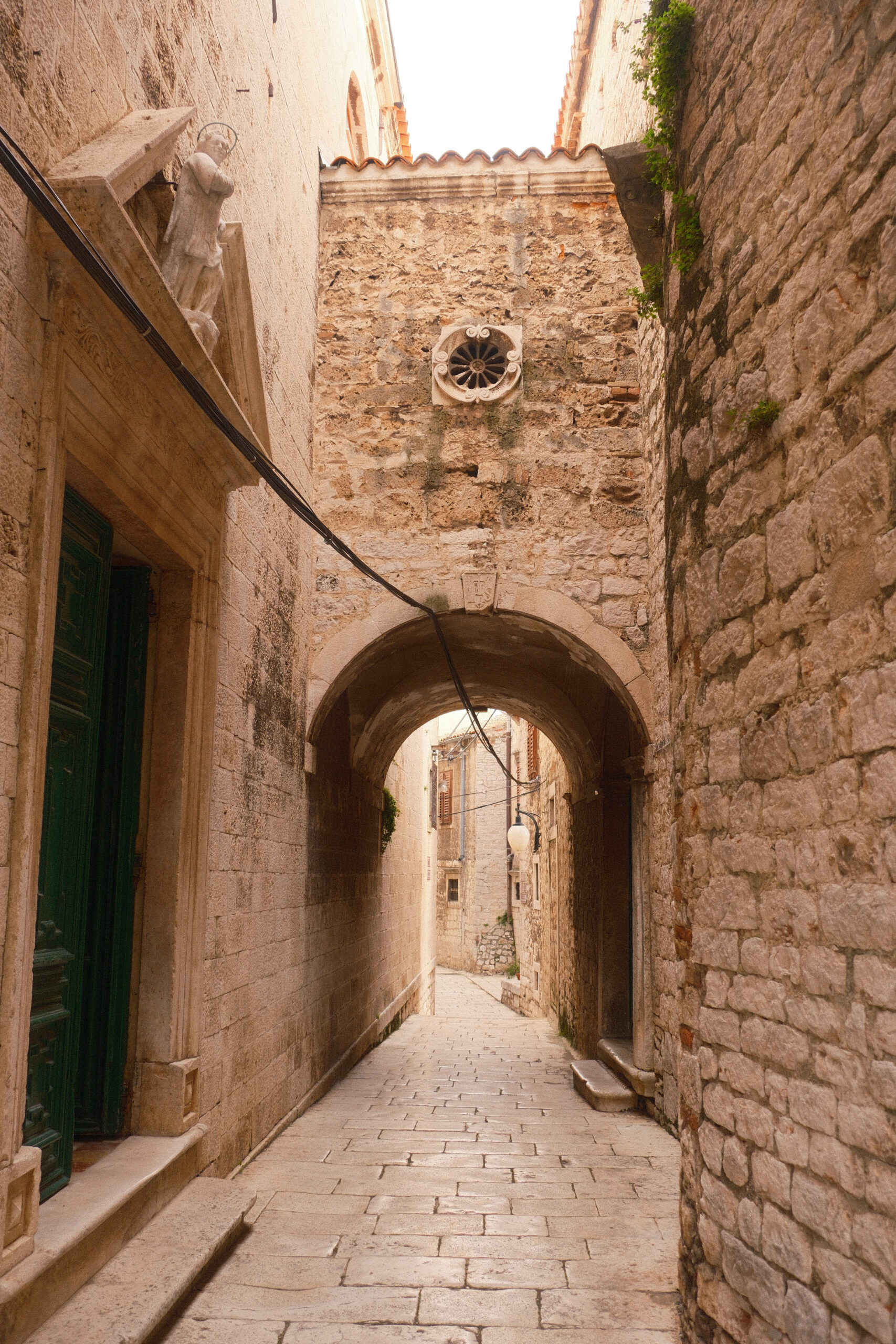
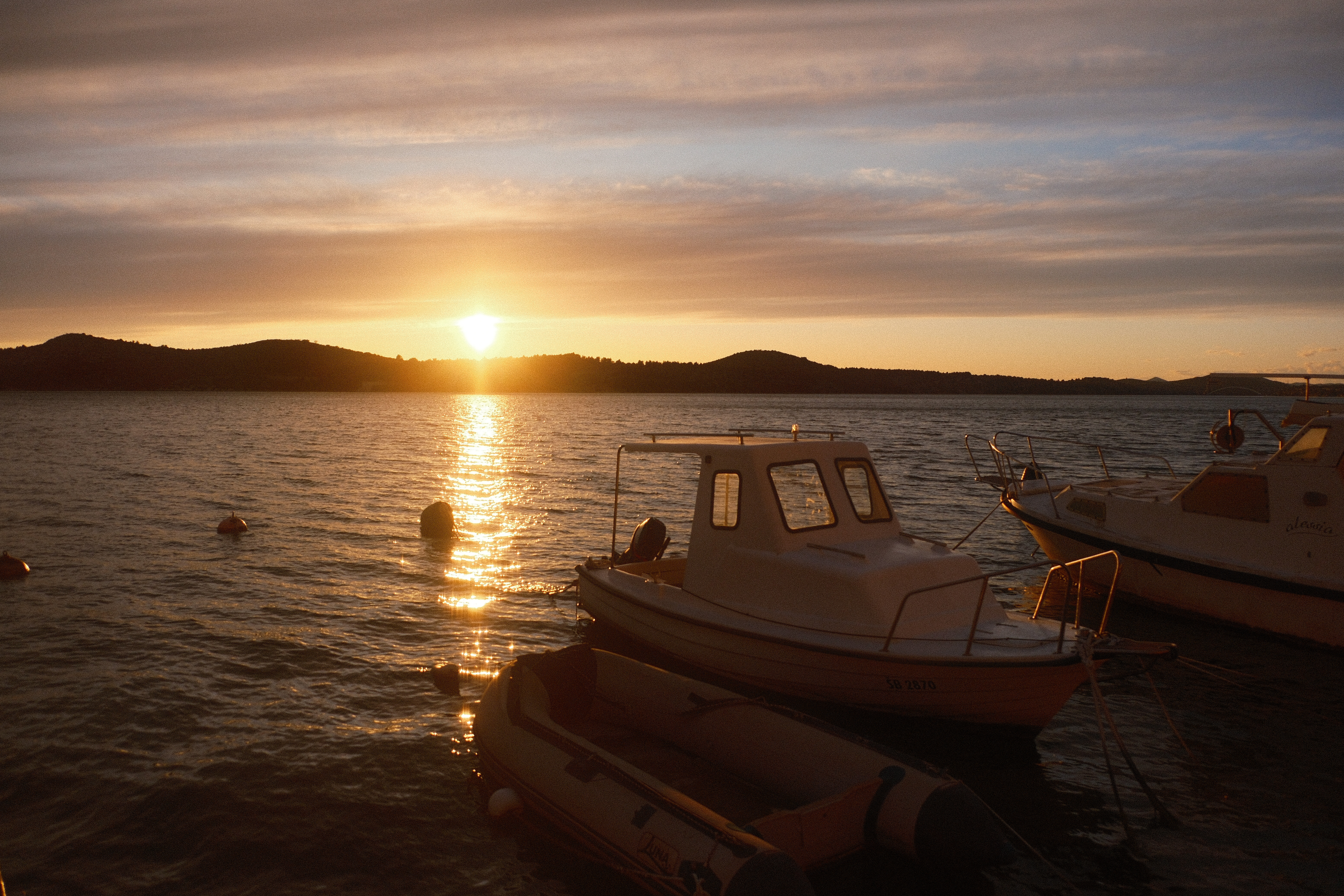
After several hours of driving, we crossed into Croatia without much fanfare. Rather than stay somewhere well-known to first-time tourists, we decided to stop in the old town of Šibenik by the water. The architecture changed dramatically as the deep blue coast appeared— from the soft colors and red tiled roofs of Slovenia to warm stone and a strong Italian influence.
Šibenik was quiet and romantic (apparently it gets quite packed in the summers too). One of the delights of staying somewhere small and relatively peaceful is getting to wander around aimlessly without feeling the need to get anywhere quickly to stand in line. Our hotel, the Armerun, offered a lovely view of the promenade and bay, and plenty of tasty local food.
Krka National Park
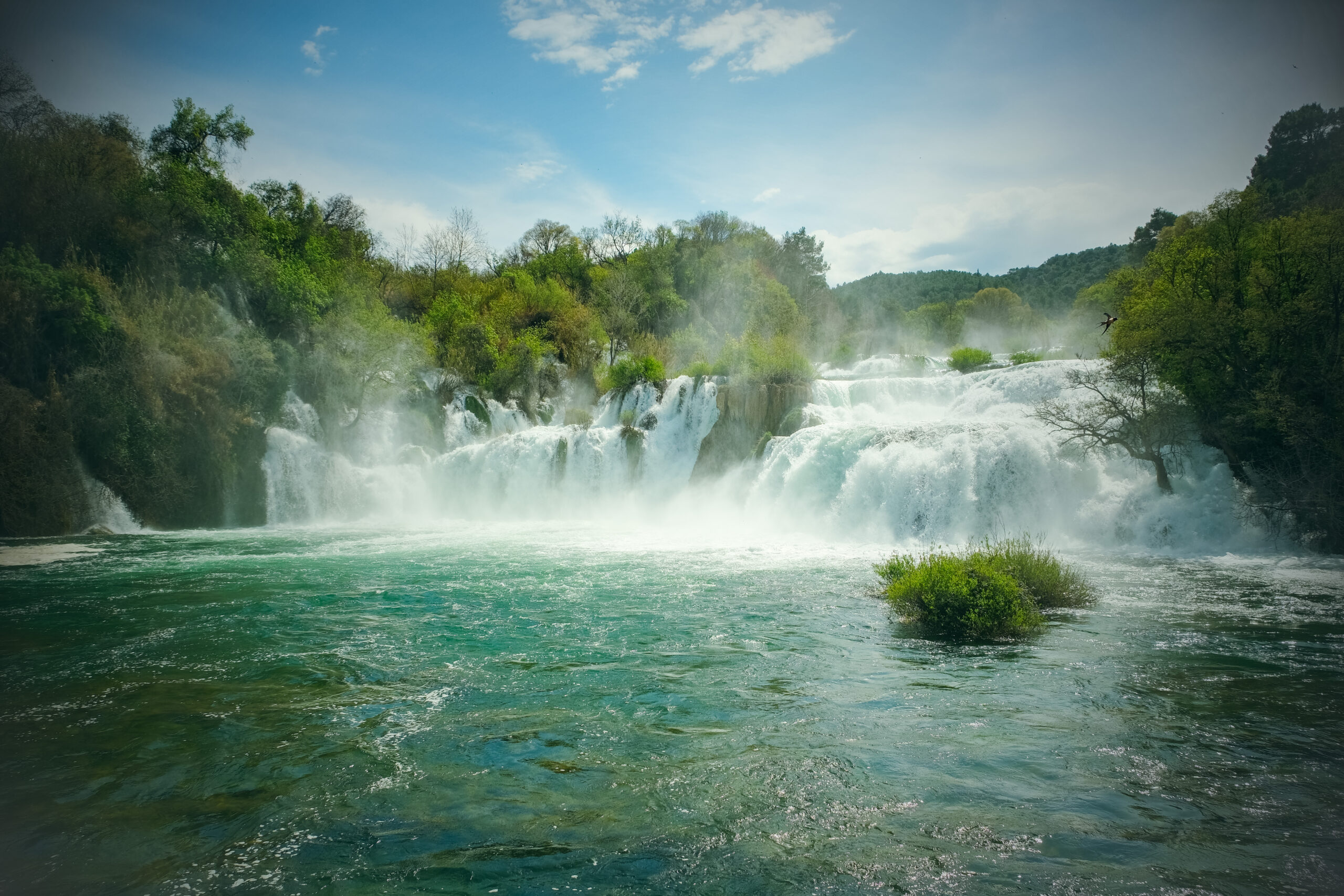
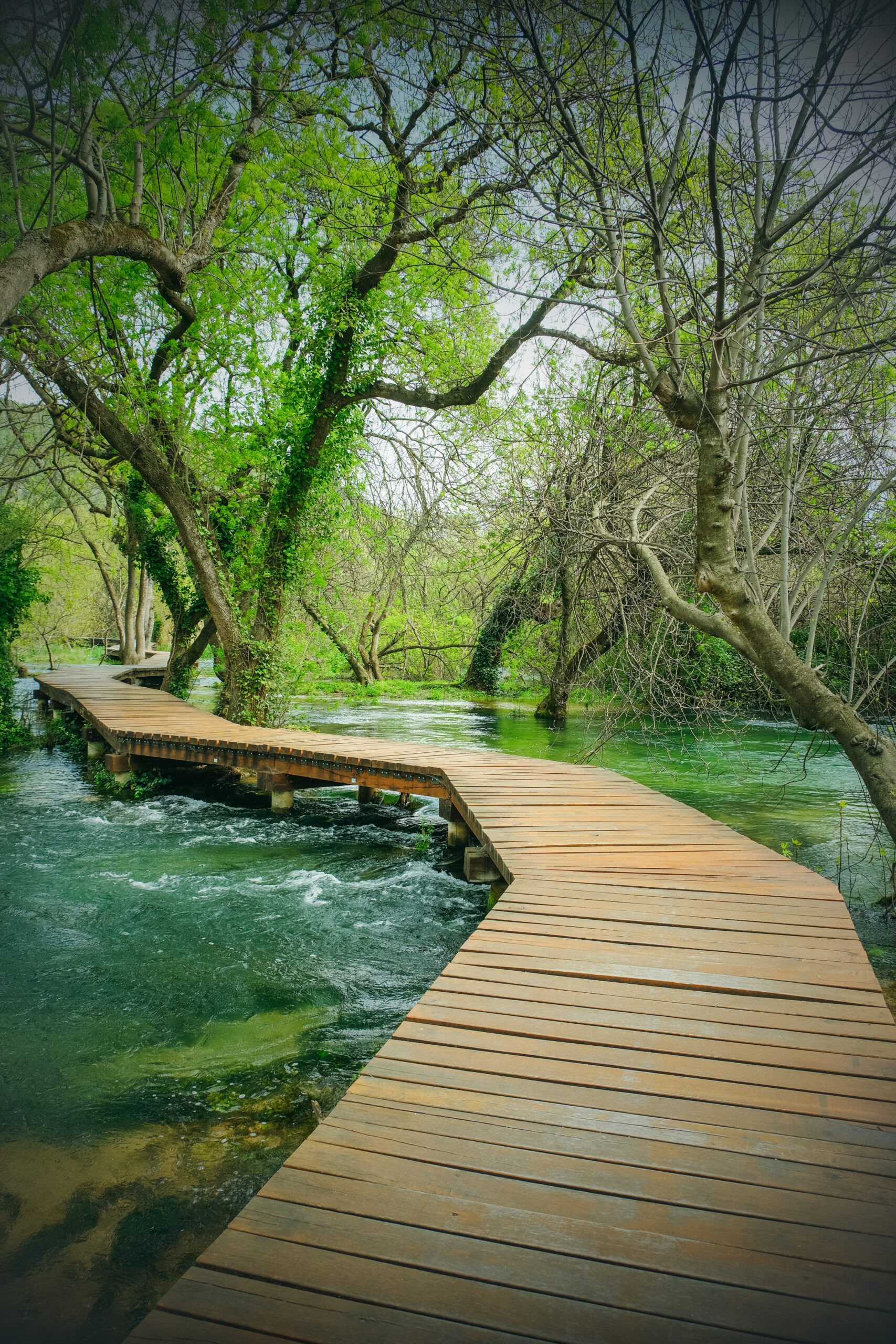
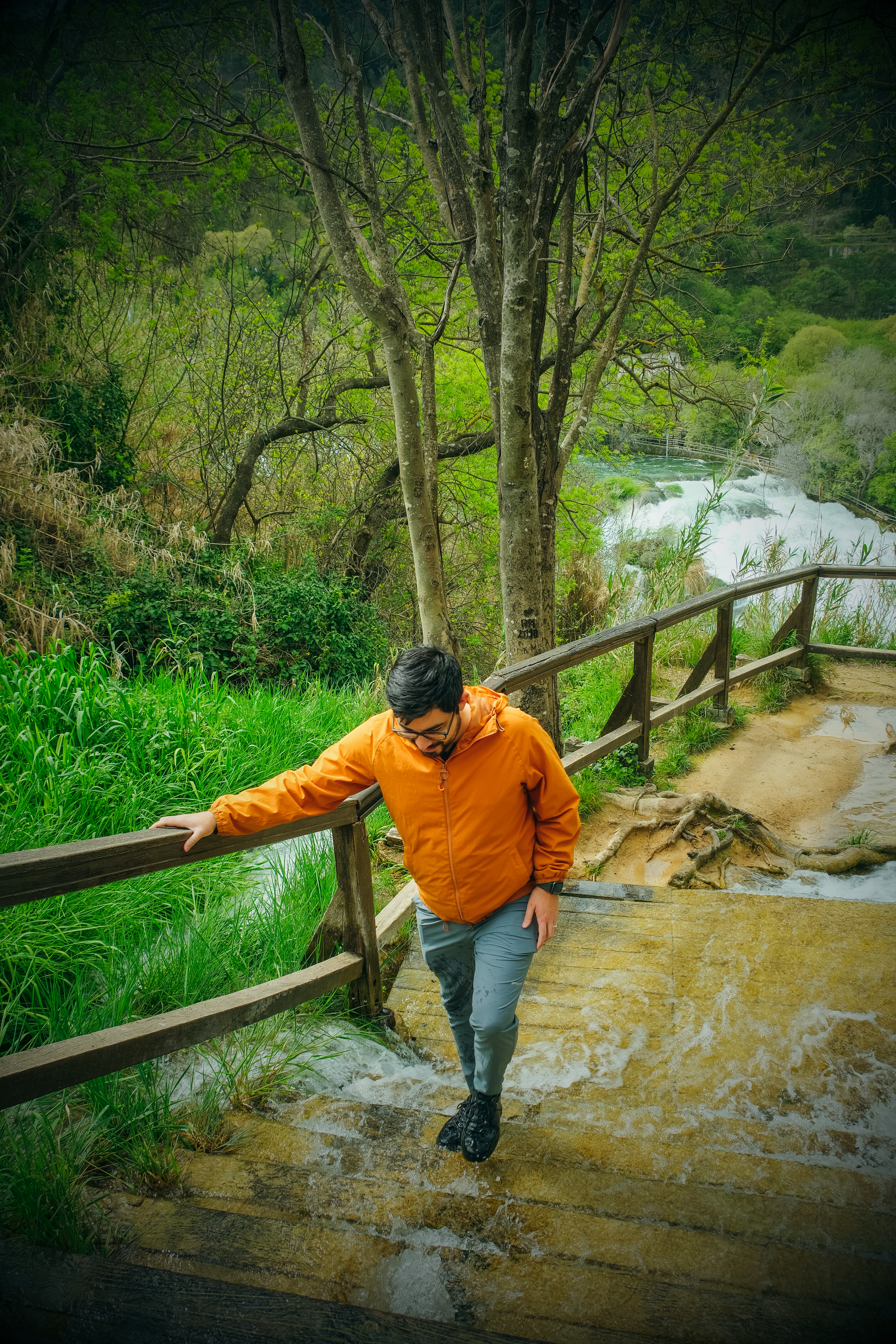
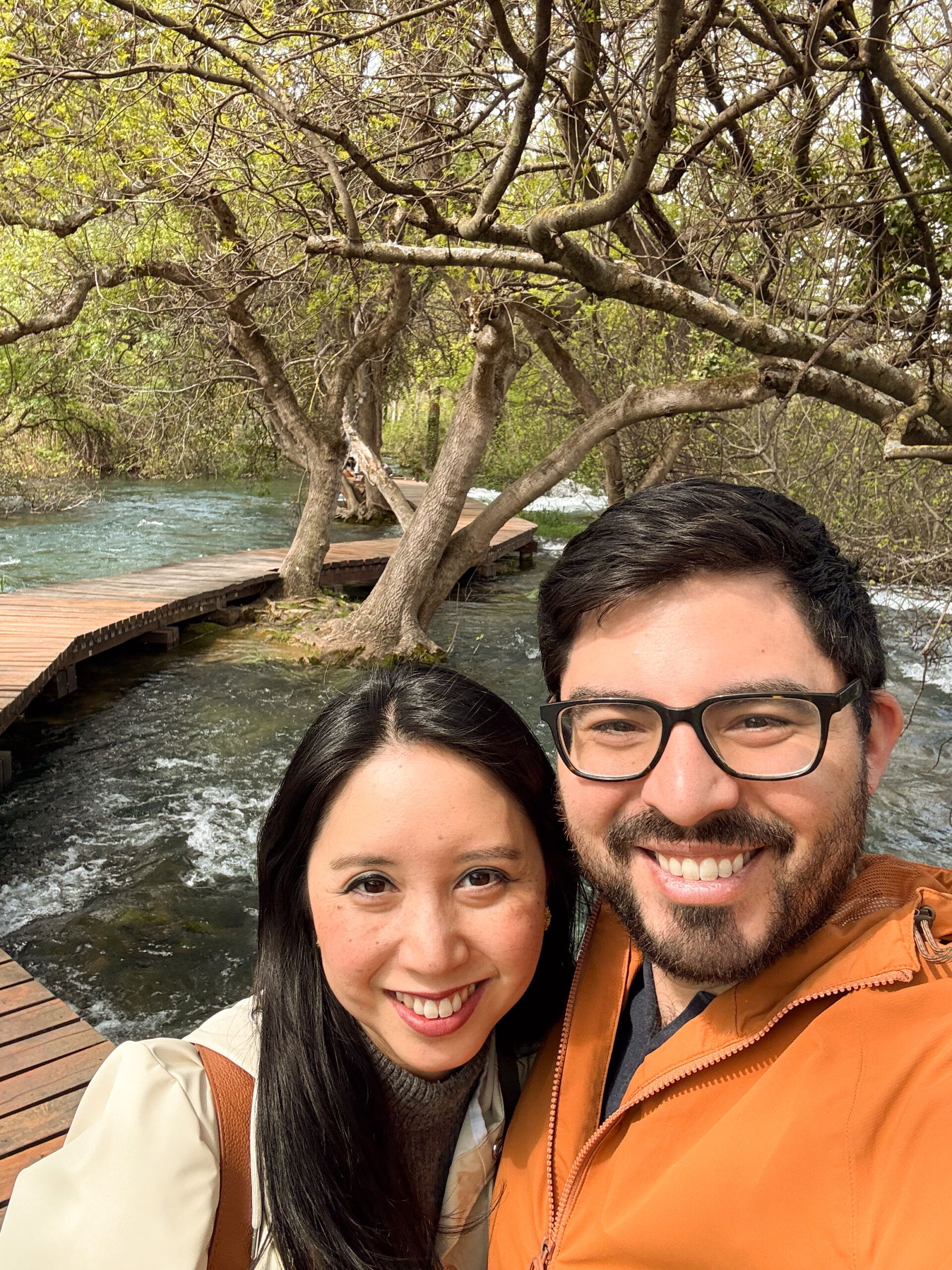
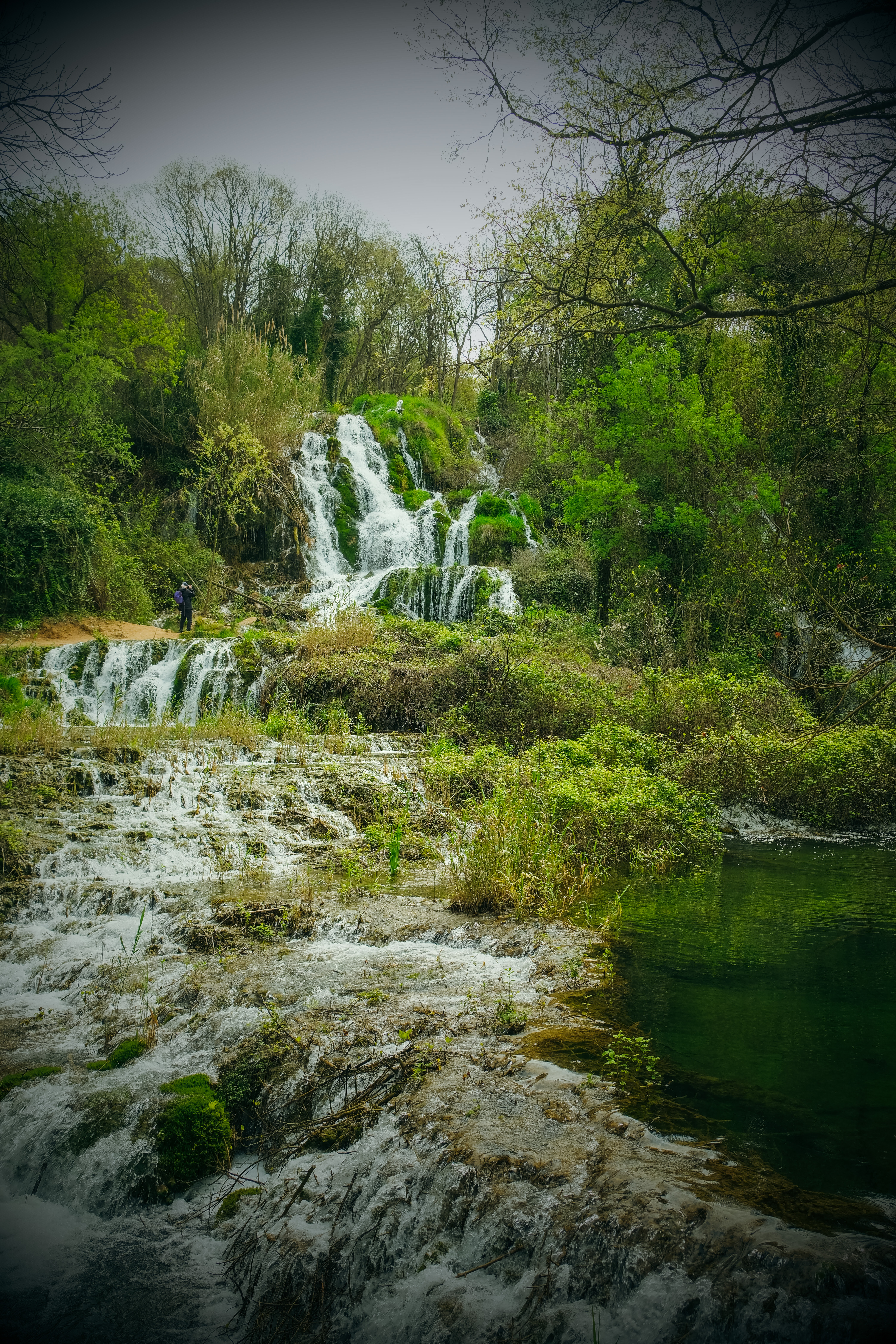
Close to Šibenik is the stunning Krka National Park, a beautiful area known for its waterfalls and lakes. While Plitvice is more famous, it was too out of the way for us— and I found Krka to be incredibly magical. Wooden blanks crossed over extraordinary volumes of flowing, clear water with an emerald tint. Trees grew out of the waters, grasses bent beneath the surface, ducks and fish swam leisurely. Spending half a day fully immersed in this stunning setting offered kind of revitalization I didn’t realize I needed.
Entering Bosnia and Herzegovina
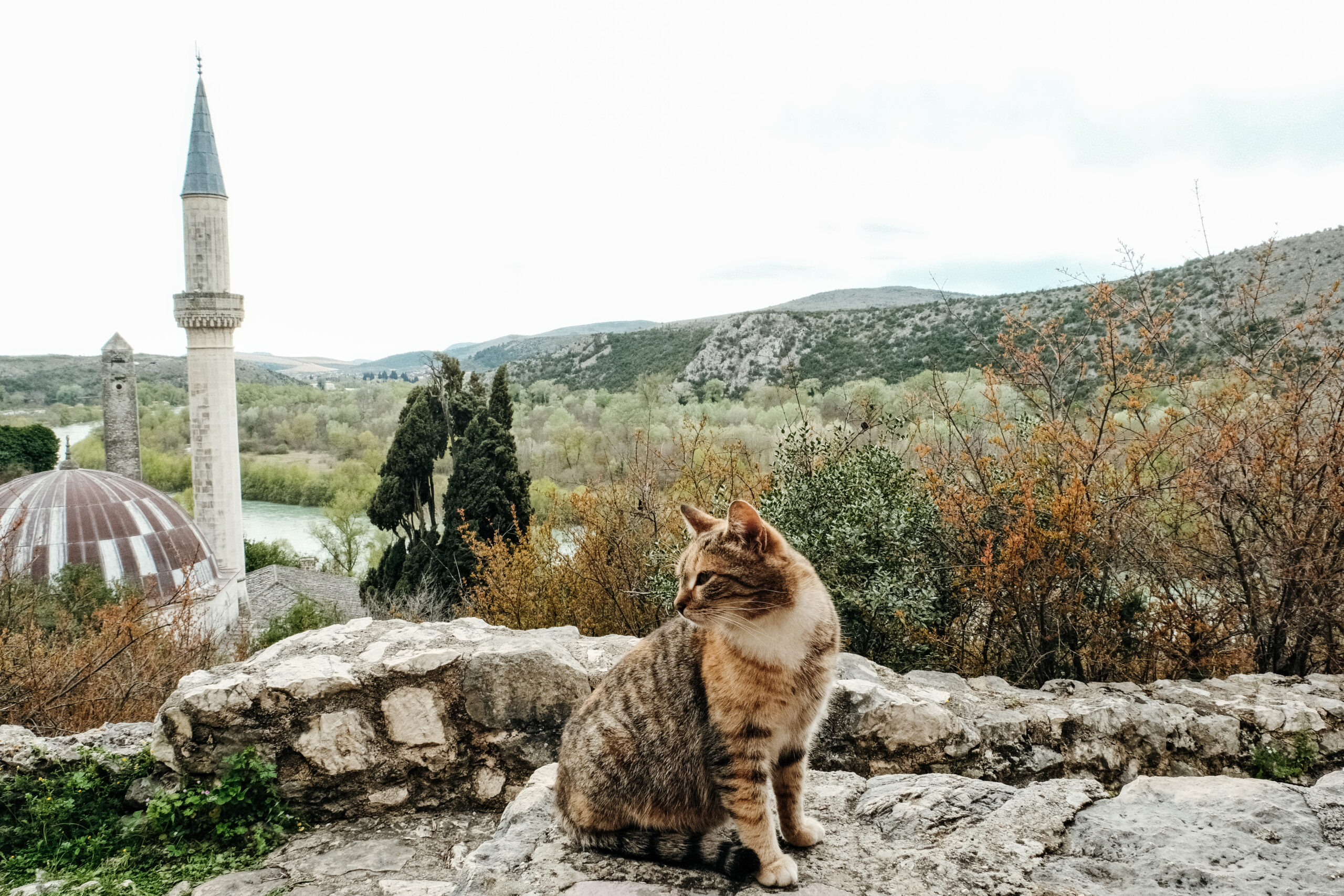
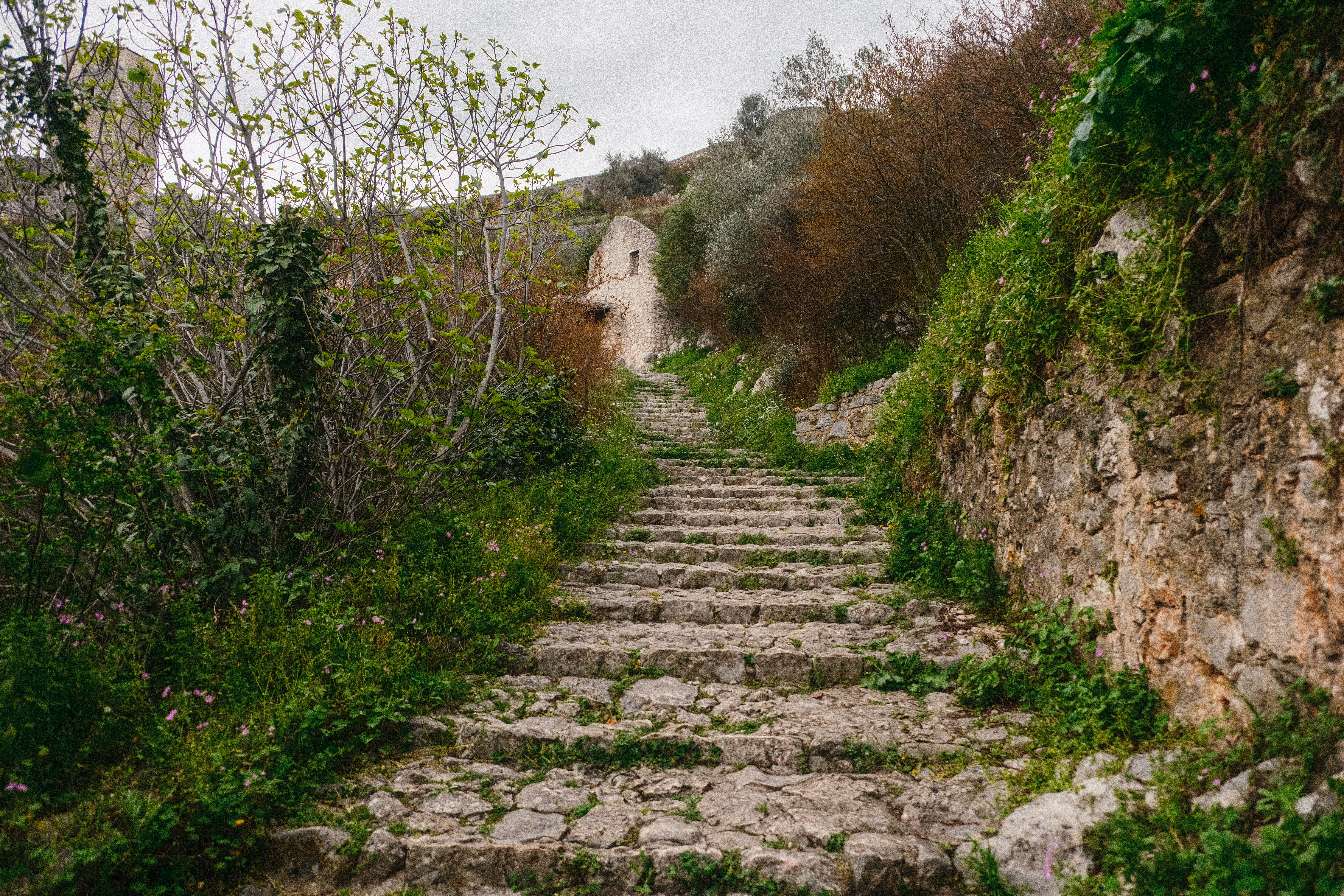
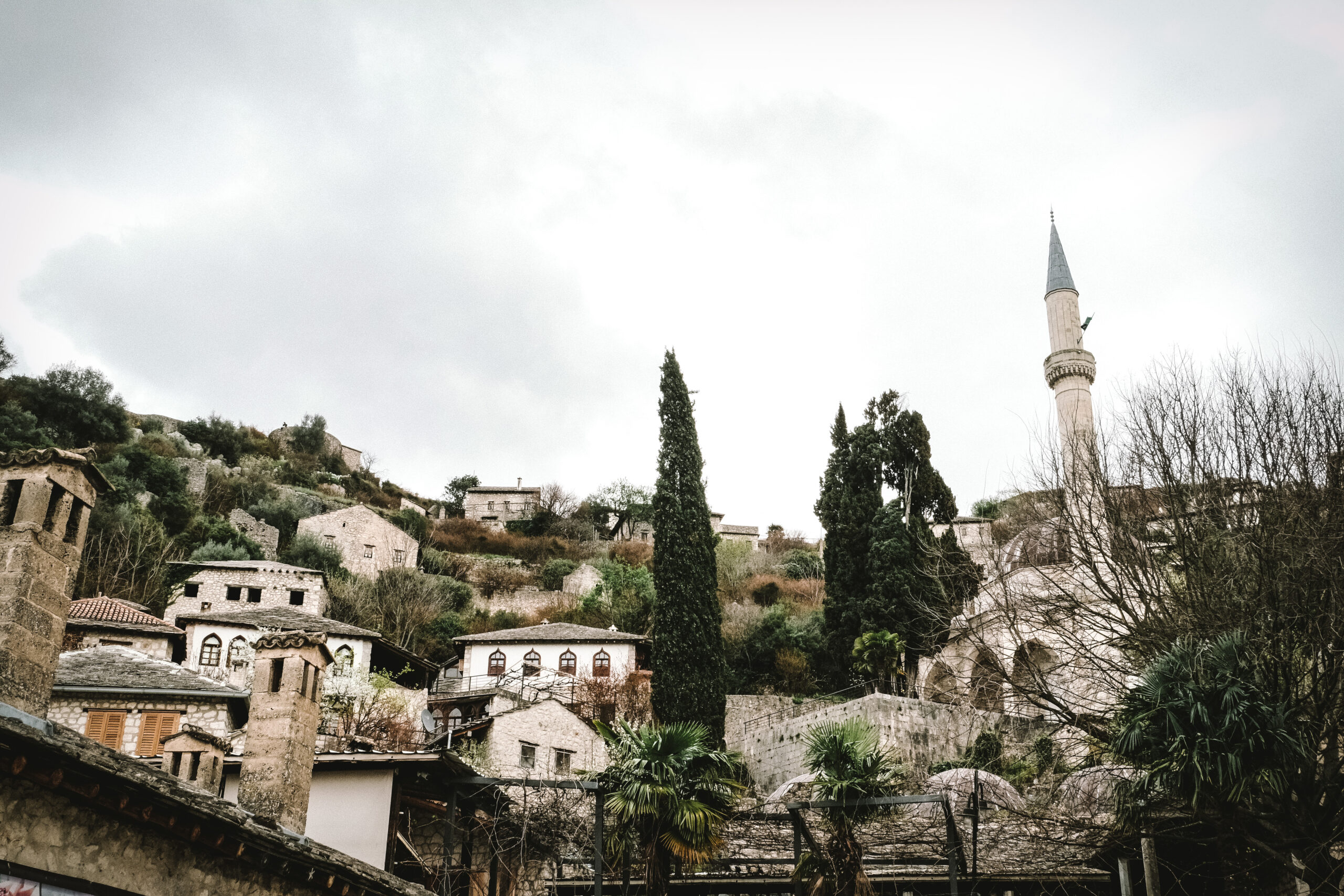
After Krka, we were headed to spend the night in Mostar, one of the most magical old towns I’ve visited to date. On the way, we pulled over to explore Počitelj, a town that was likely built in the 1380s. It’s some of the best preserved architecture in the area, and is open to visitors and kittens alike. Arriving there, the atmosphere completely shifted: spires reached for the sky, and once again the building materials changed into a gray stone.
We didn’t exactly plan our meals so we stopped by a small bakery for some börek— flaky fried dough stuffed with meat, cheese, or spinach. Hiking up the old stone steps, with börek in hand and hungry kittens trailing us, I felt that familiar, beloved feeling you can only feel in travel: a sense of being somewhere completely and fascinatingly different, but still deeply human.
Mostar
We weren’t sure if we should spend a night in Mostar or just pass through en route elsewhere, but I’m so glad we stayed. Of all the places we visited, Mostar had some of the kindest, most welcoming people. It’s famous for Stari Most, an angular bridge that hovers over Neretva river, which is surprisingly blue-green in hue. I’d seen many photos of Mostar at dusk and couldn’t wait to see it for myself.
Worth mentioning is our hotel, Kriva Cuprija, which I thoroughly enjoyed. It’s right by a gushing stream, complete with historic stone bridge and an oasis feel, and they serve traditional local cuisine for dinner. Mostar is a very old town with lots of dramatic history— including a long period of Ottoman rule, then Austro-Hungarian rule, then the most recent war of the 1990s. It was inspiring to speak to store owners who’d been there since prior to the most recent conflict, seen their entire livelihoods destroyed, then rebuilt for the resurgence of tourism.
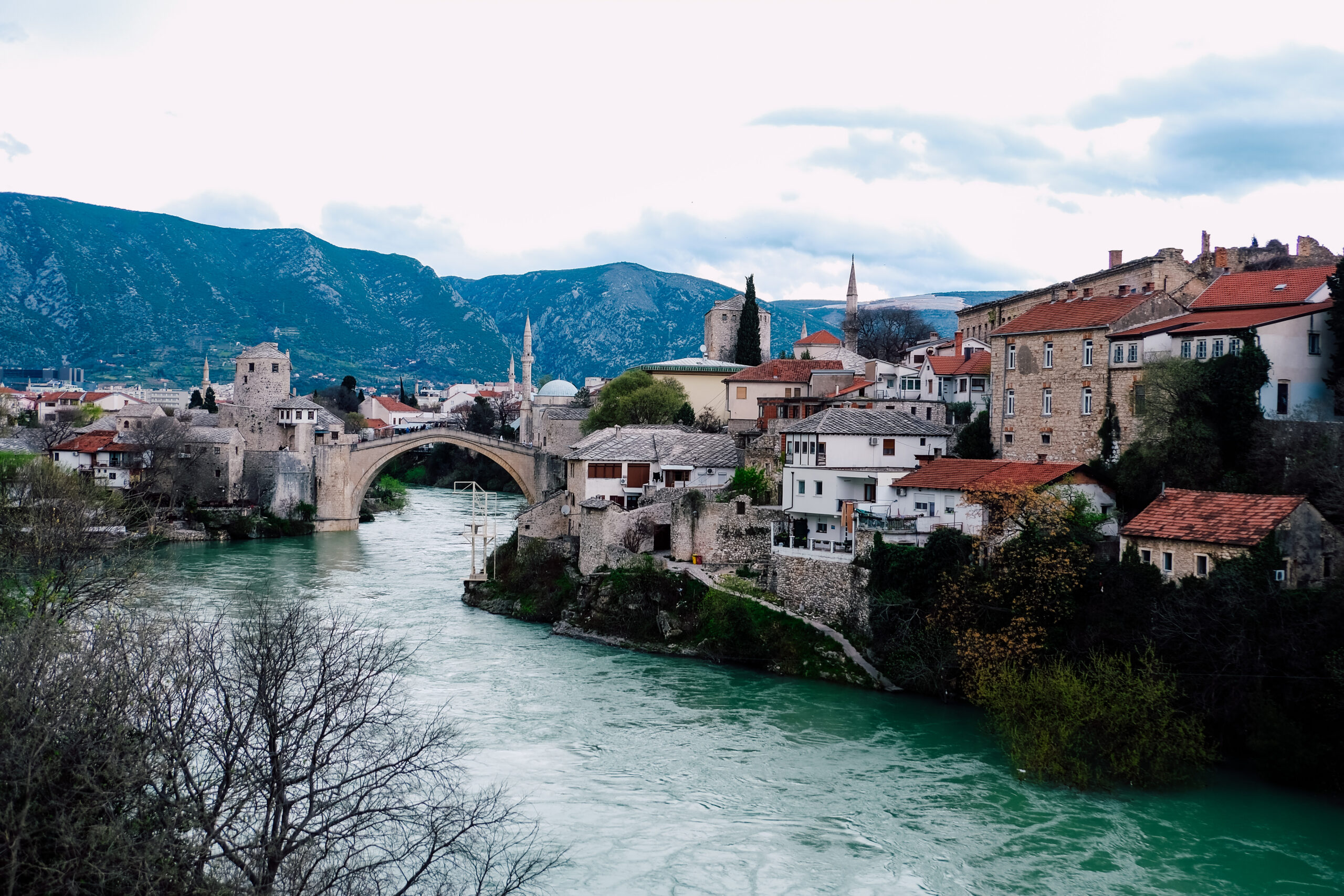
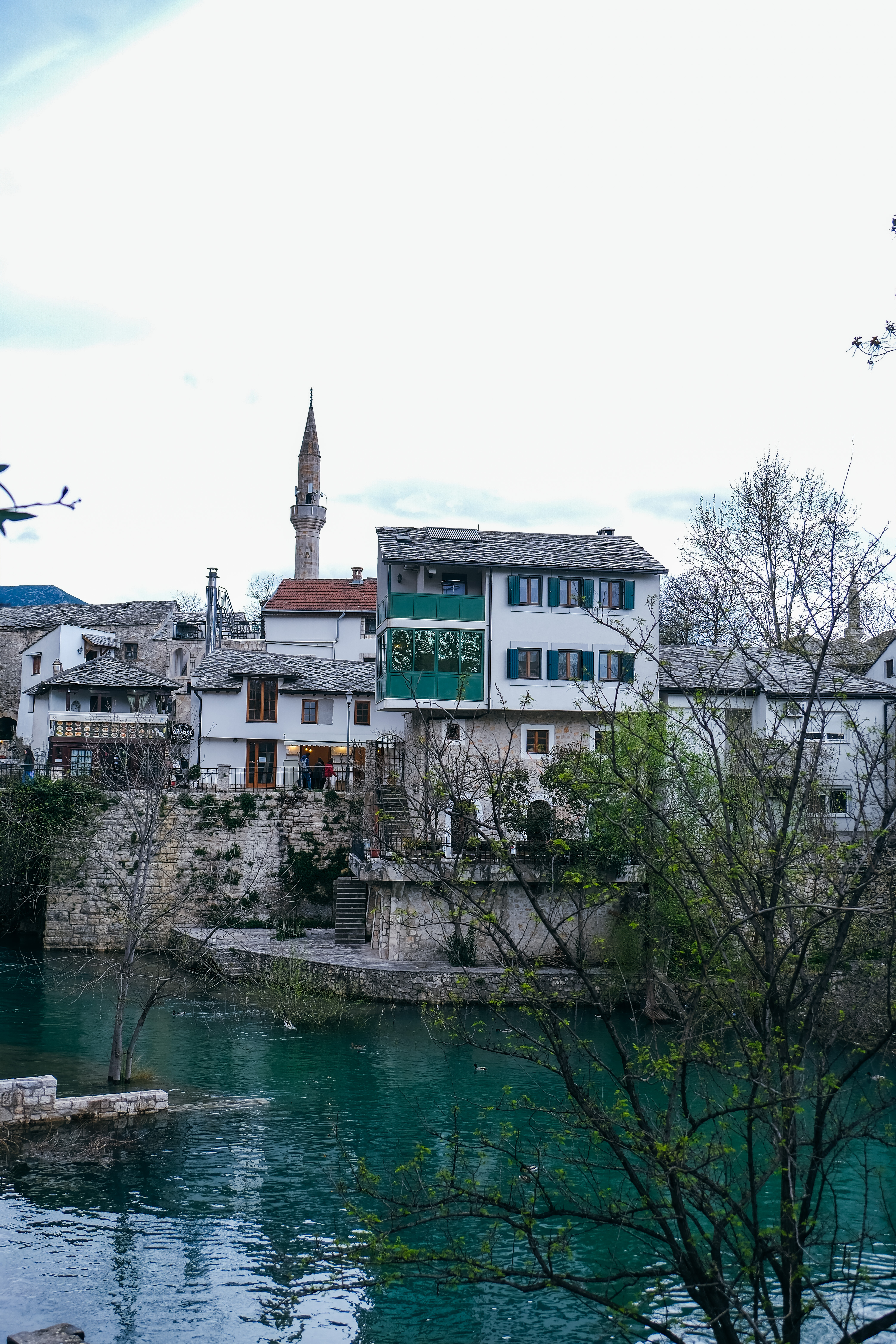
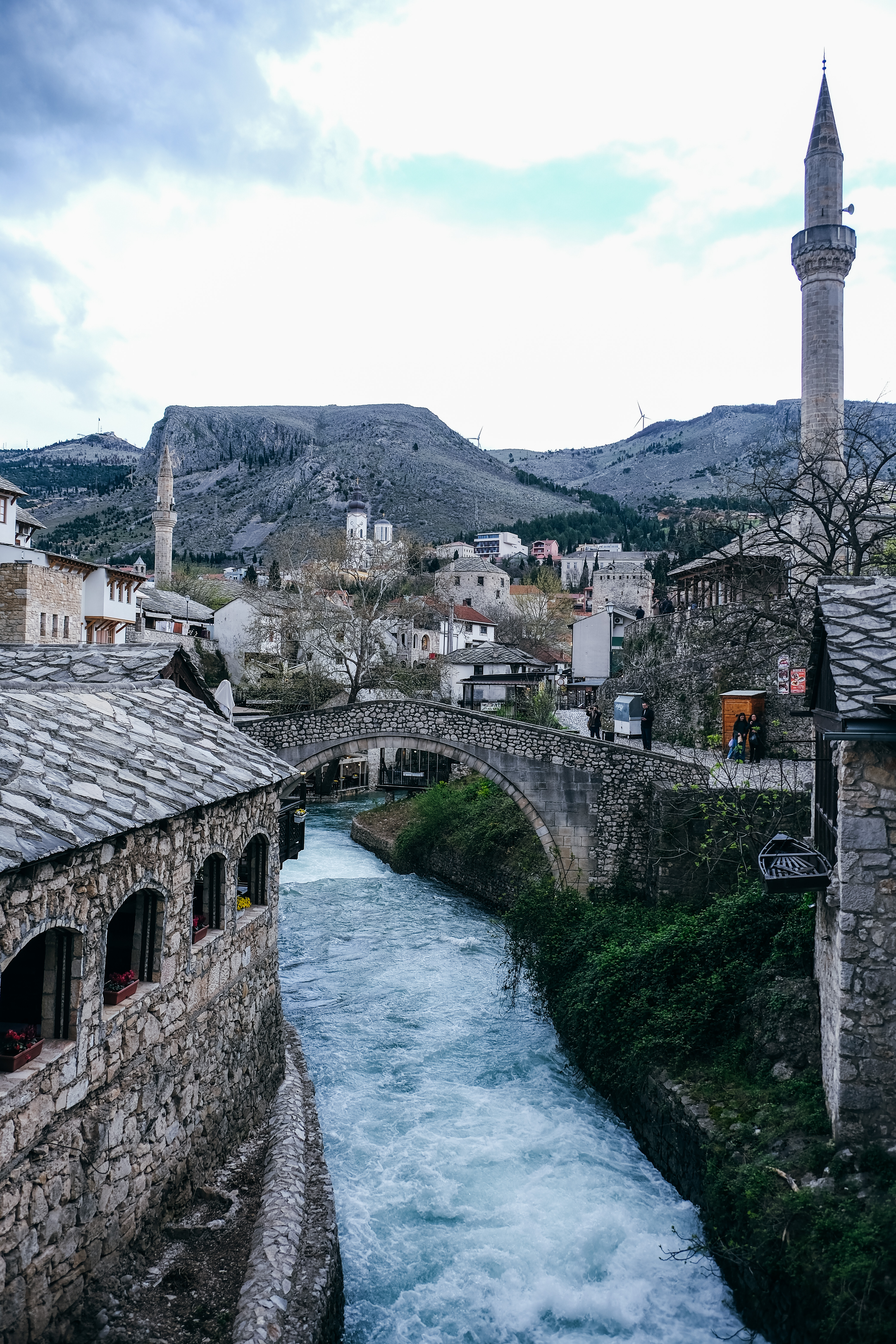
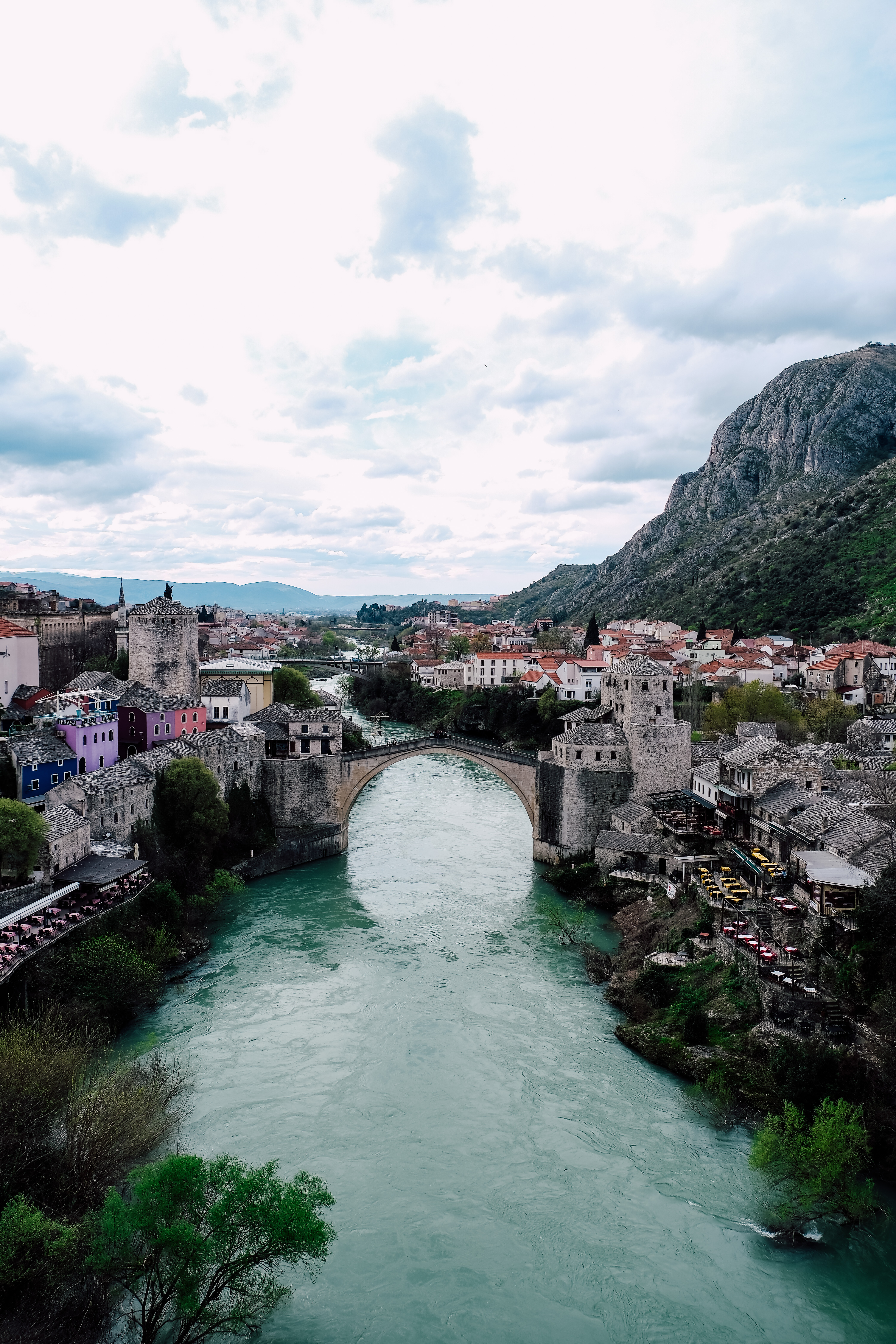
Mostar is one of the most beautiful old towns I’ve visited, with its many minarets and towers, gem-turquoise river, and stone architecture. While there are many shops and vendors selling their wares to day-trippers, I’d recommend slowing down and visiting some of the storefronts with rich history. Ask about what it’s been like for them to experience Mostar’s fraught journey— you’ll learn so much about what it’s like to live in this diverse and fascinating part of the region. And pick up some Bosnia-made gifts, too!
En-route to Dubrovnik: Blagaj and Trebinje
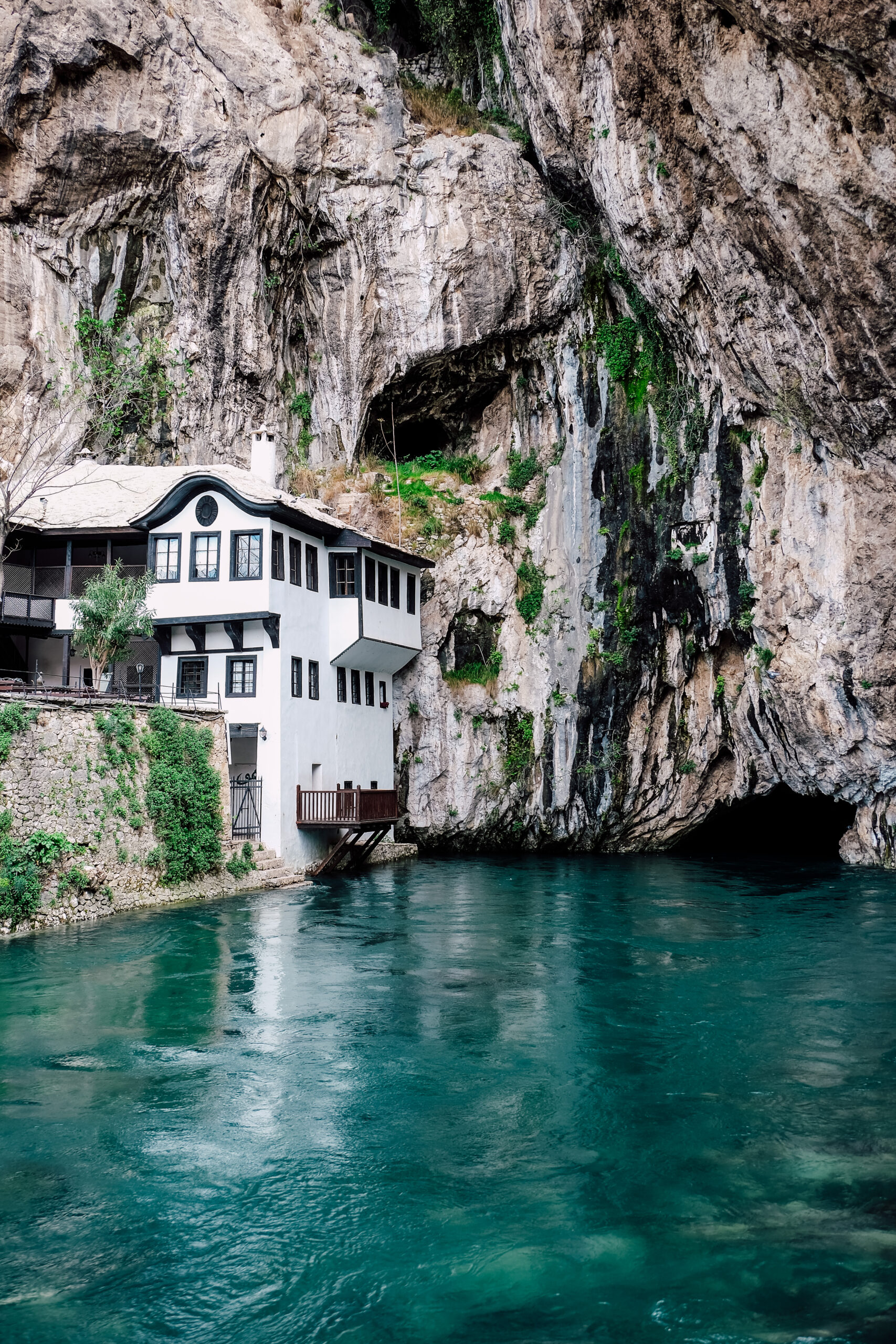
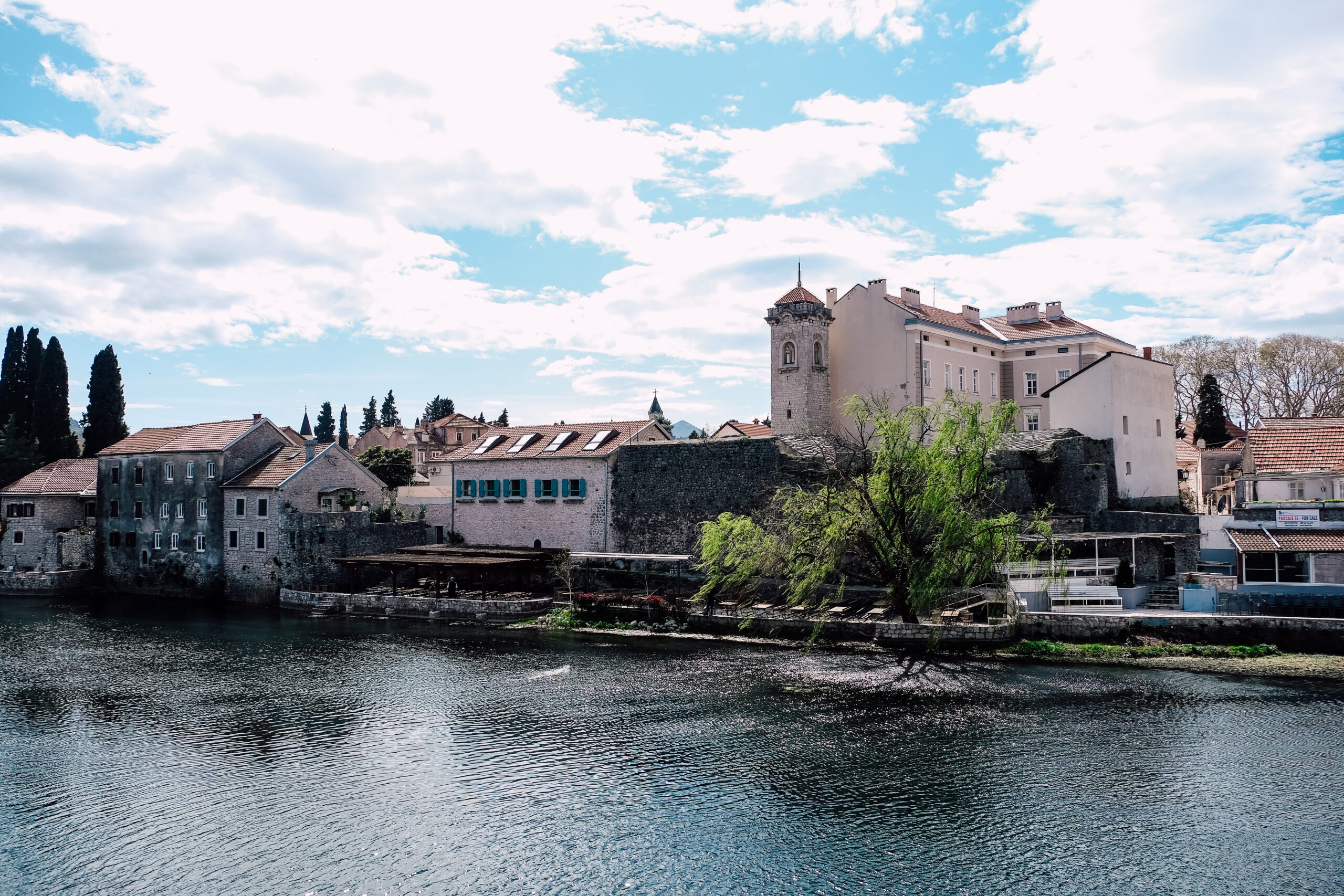
We made our way back toward Croatia and stopped at a couple of scenic locations in Bosnia and Herzegovina so we’d see a bit more of the country. Blagaj is a famous spot where there’s a Dervish monastery. The village dates back to the 1500s, and there are lots of delightful ways to pause here and enjoy the scenery. Trebinje is a beautiful, quiet town with a lovely walk along the Trebišnjica River. We wandered through the local square and park, börek (meat or veg-stuffed filo dough) in hand. There’s not a lot of touristy sites here— but somehow I’ll remember the ambience for quite some time.
Dubrovnik
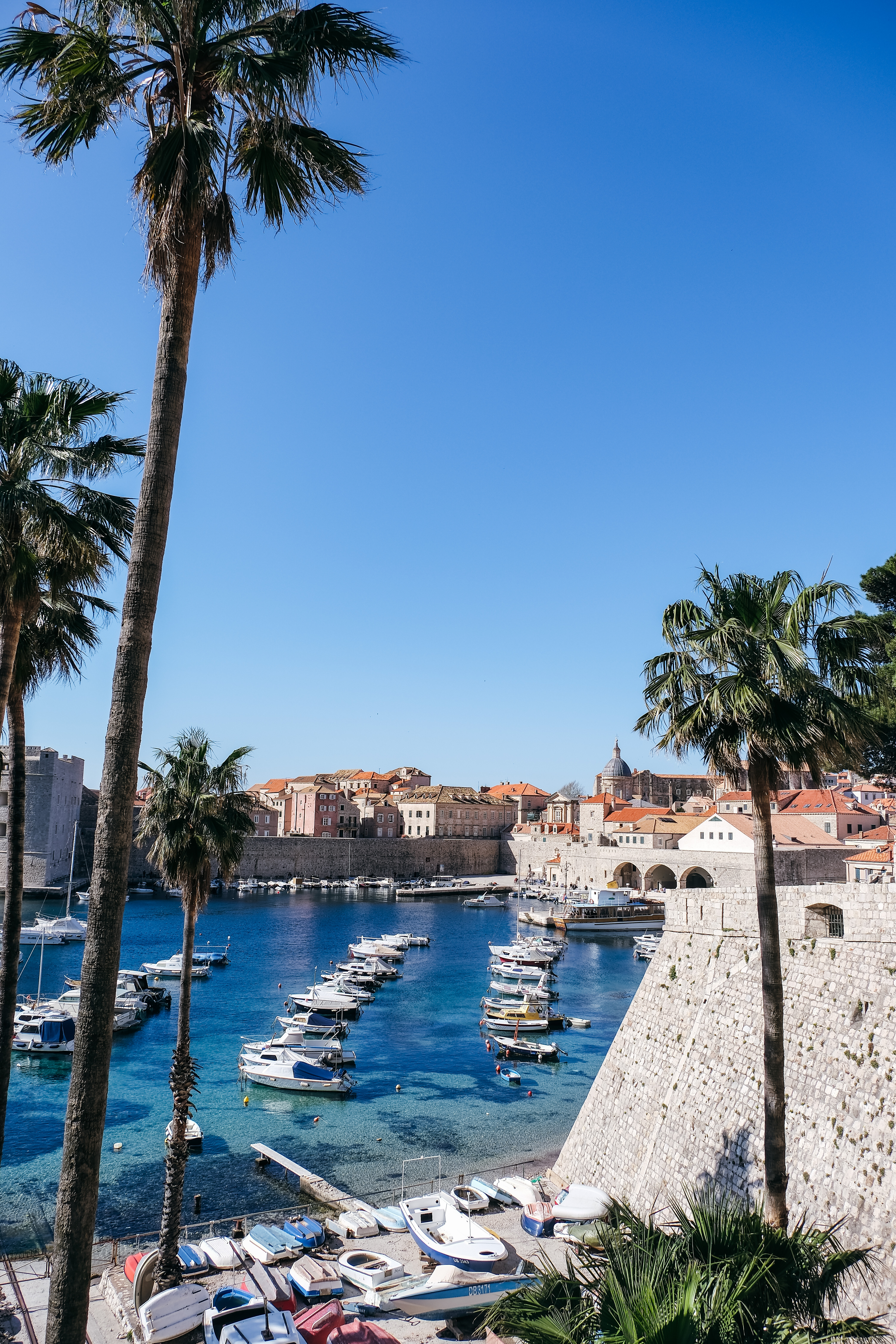
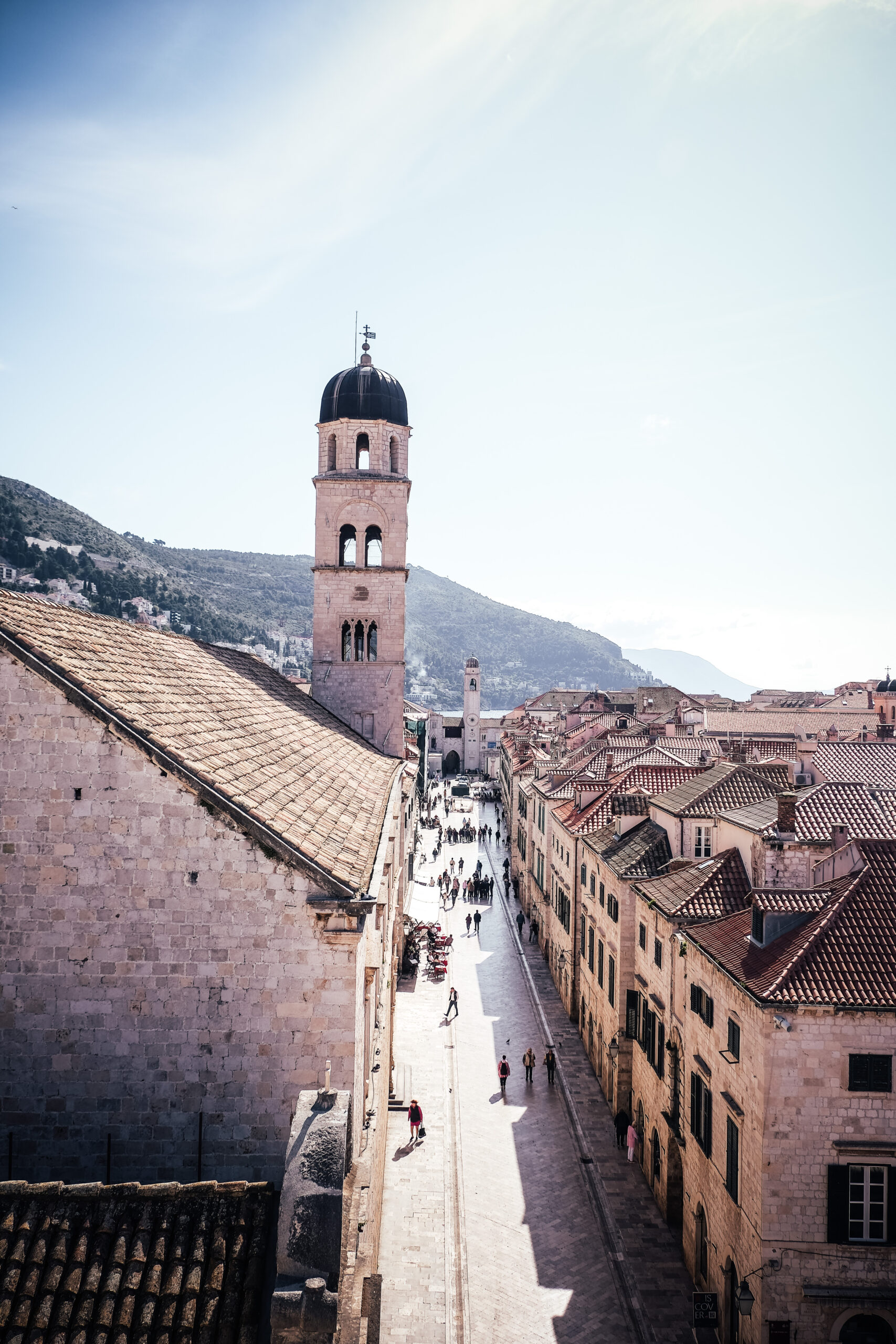
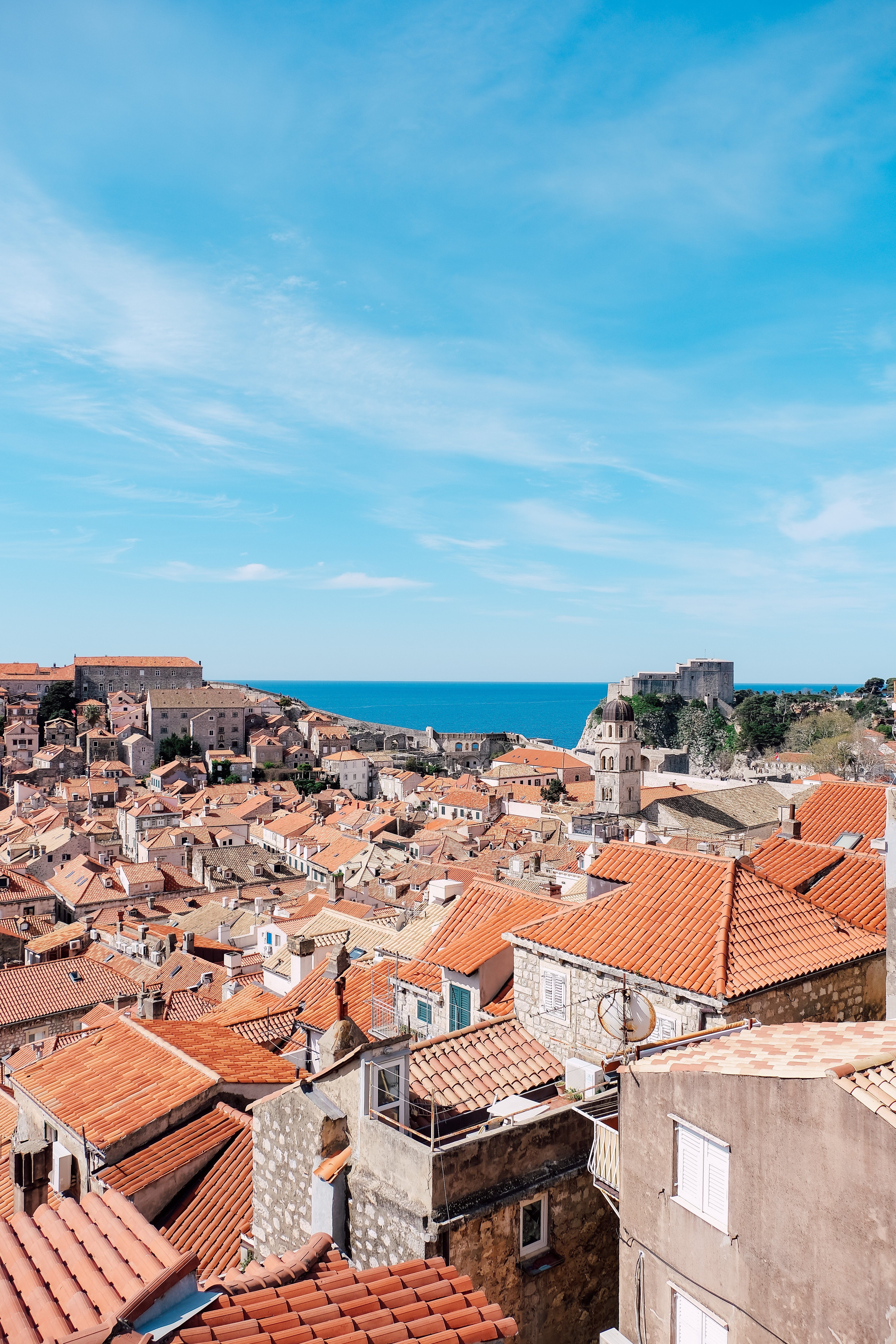
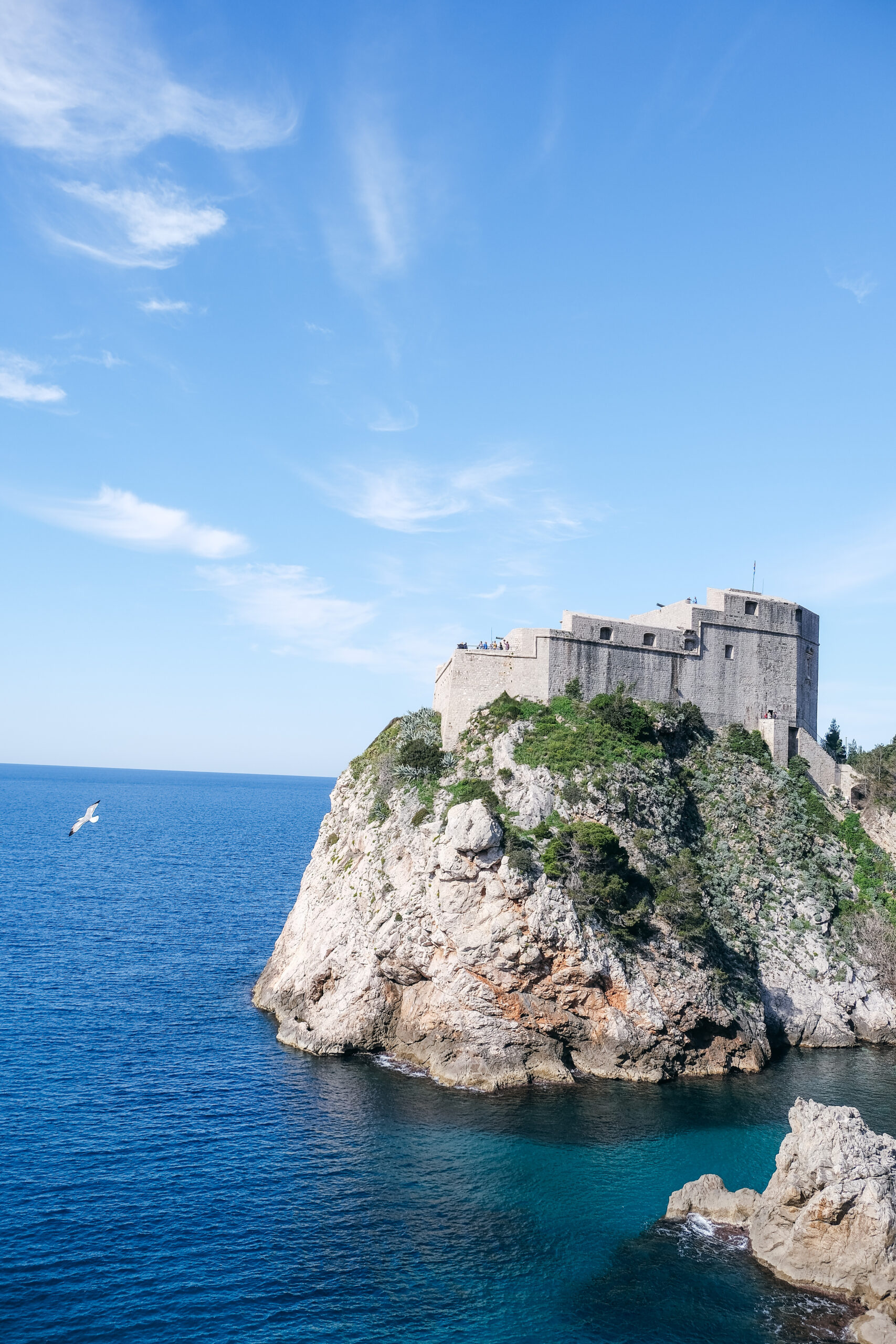
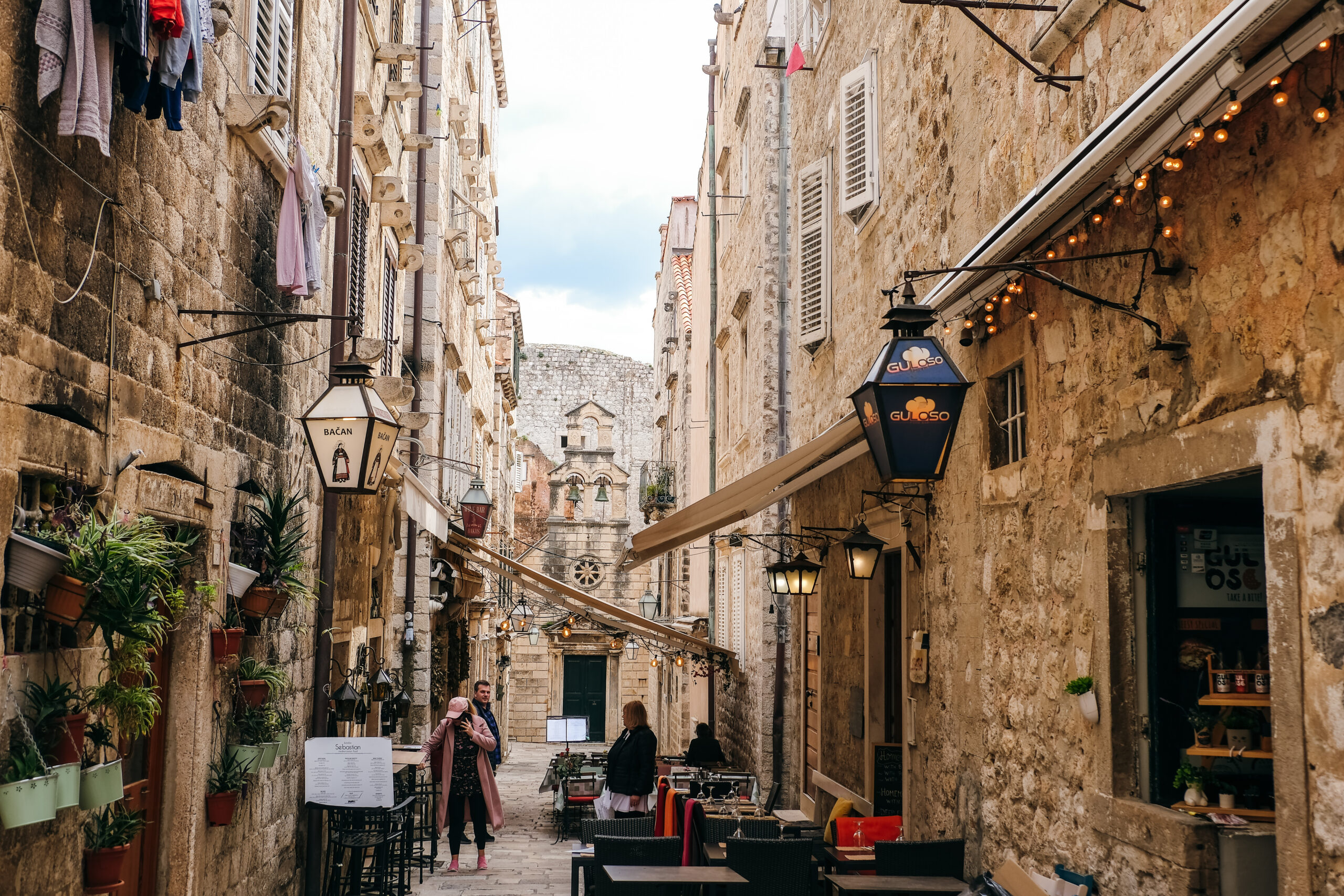
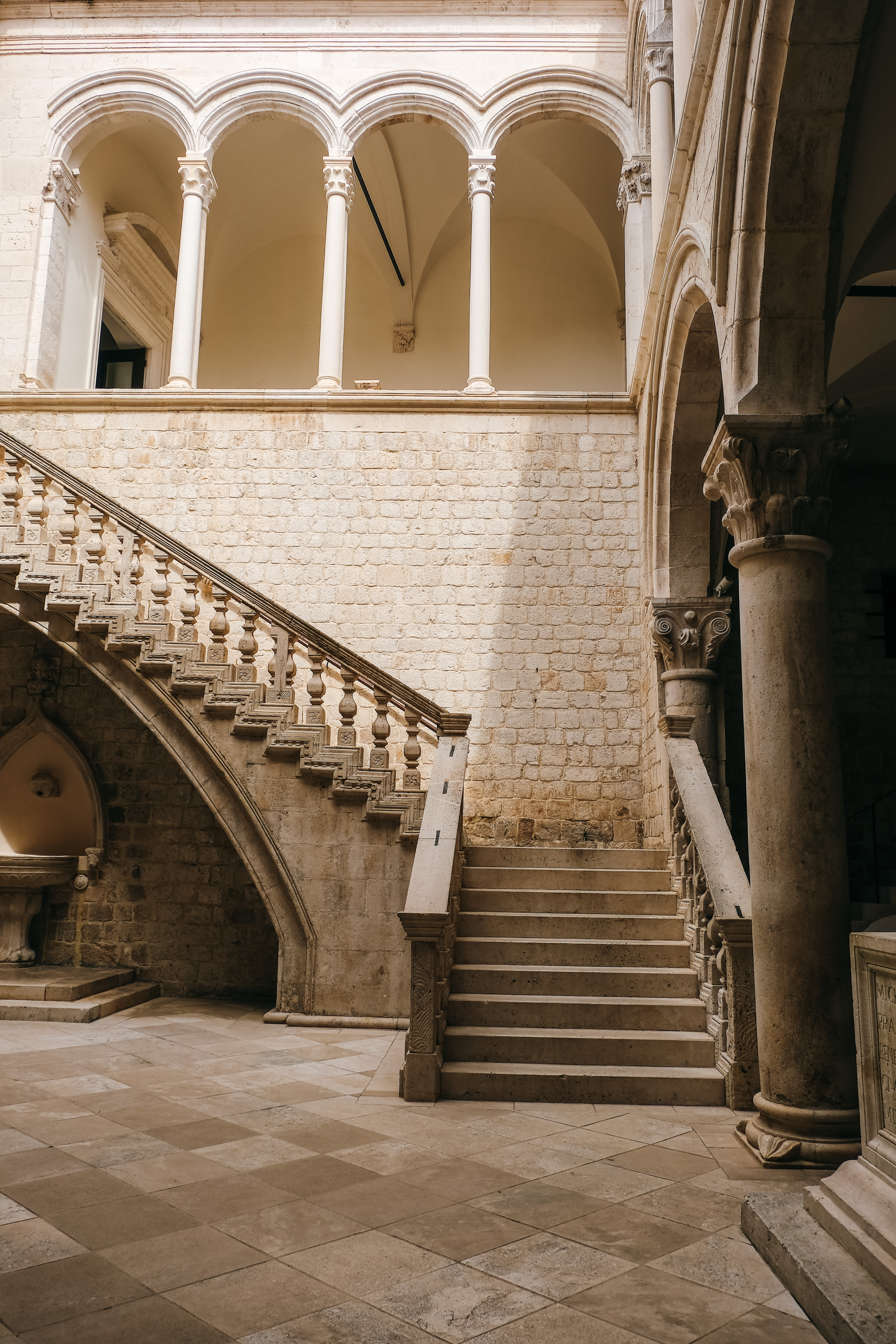
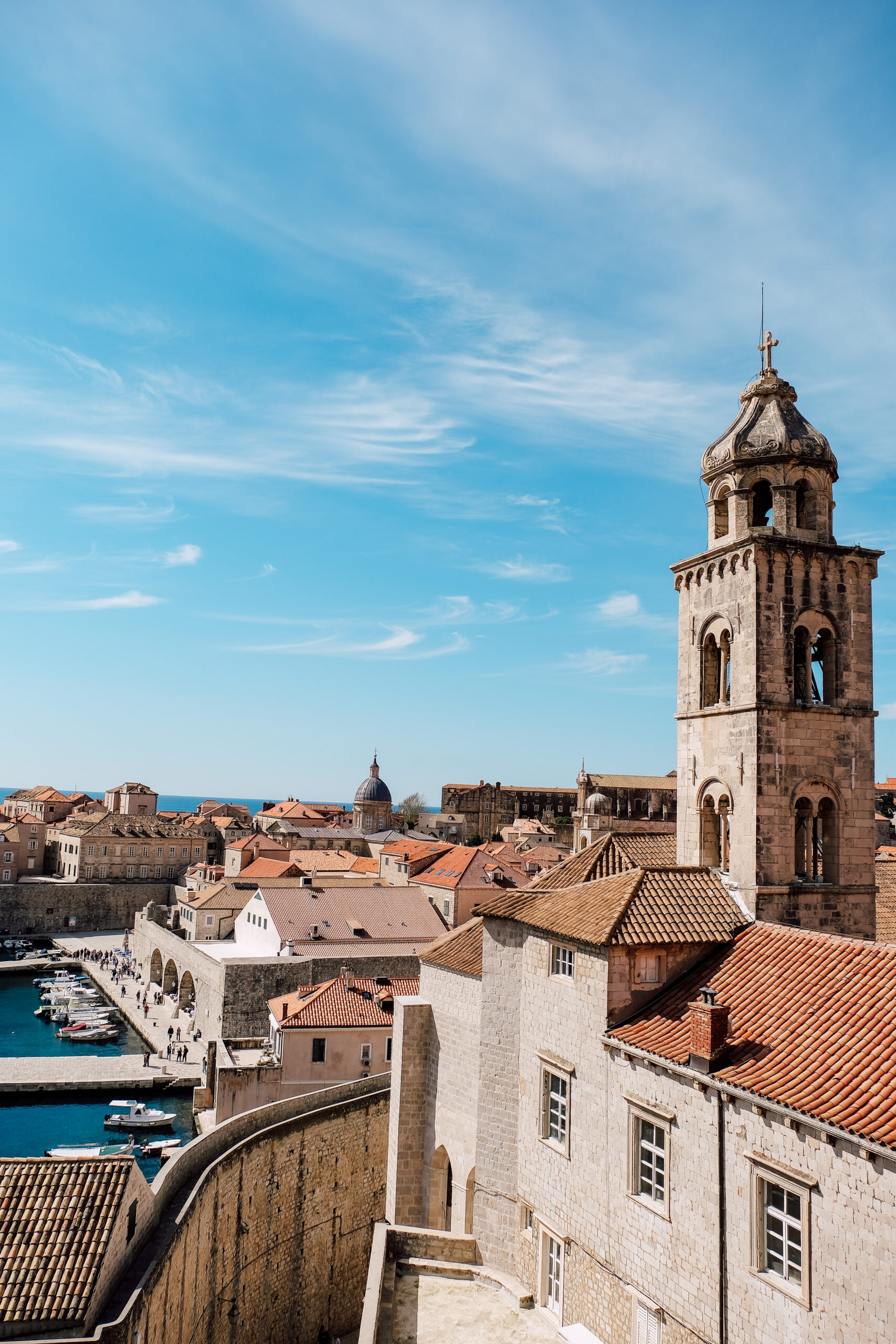
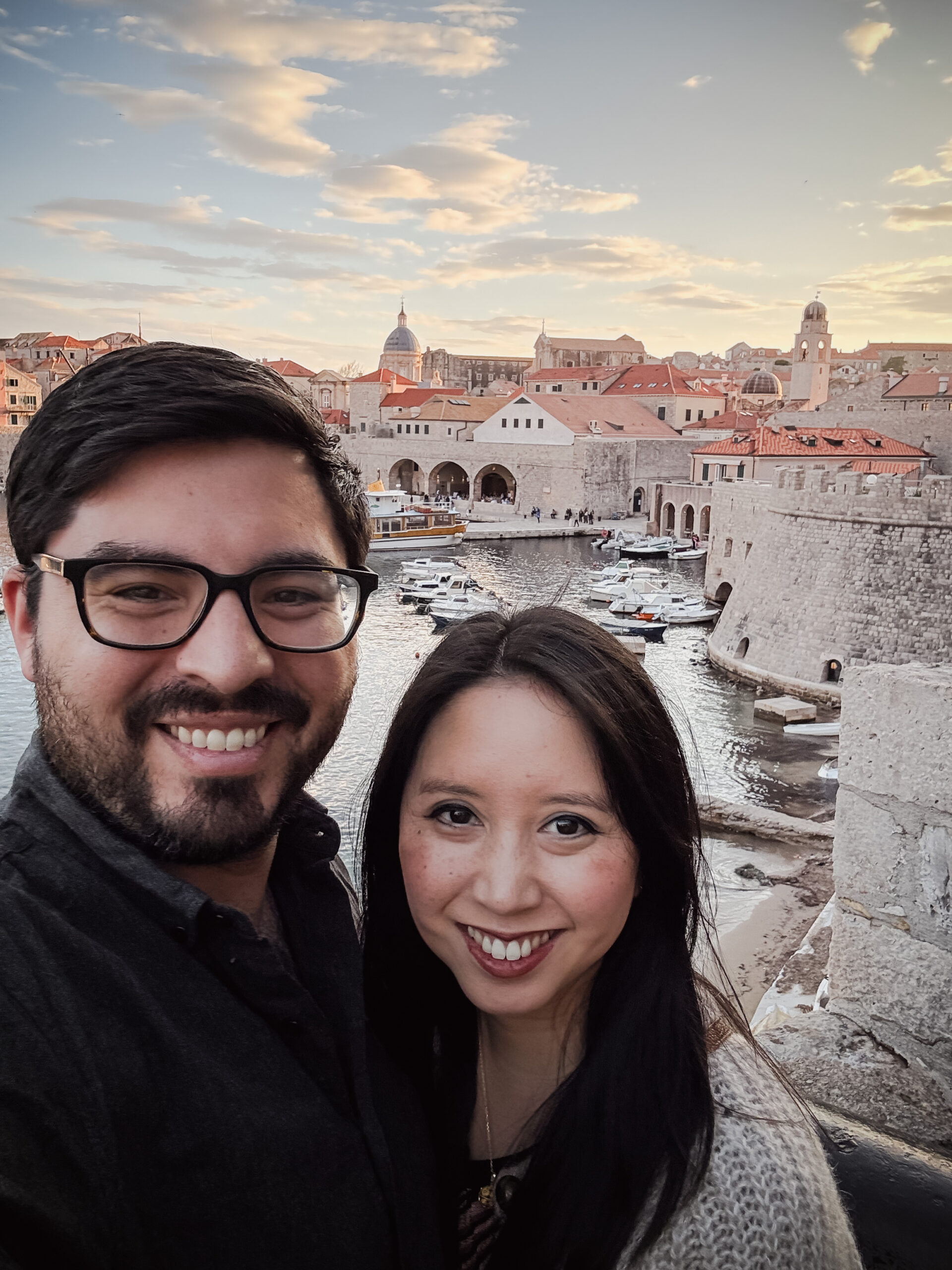
As we made our way back toward the coast, the stunning turquoise waters and iconic golden-yellow architecture emerged into view. Dubrovnik, at last! This architectural jewel did not disappoint, and we were lucky to have some of the best weather we could hope for in April. Dubrovnik is world-famous these days, and there are few hidden gems, but I’d say the real treasure is being there during shoulder season when there are fewer crowds to contend with.
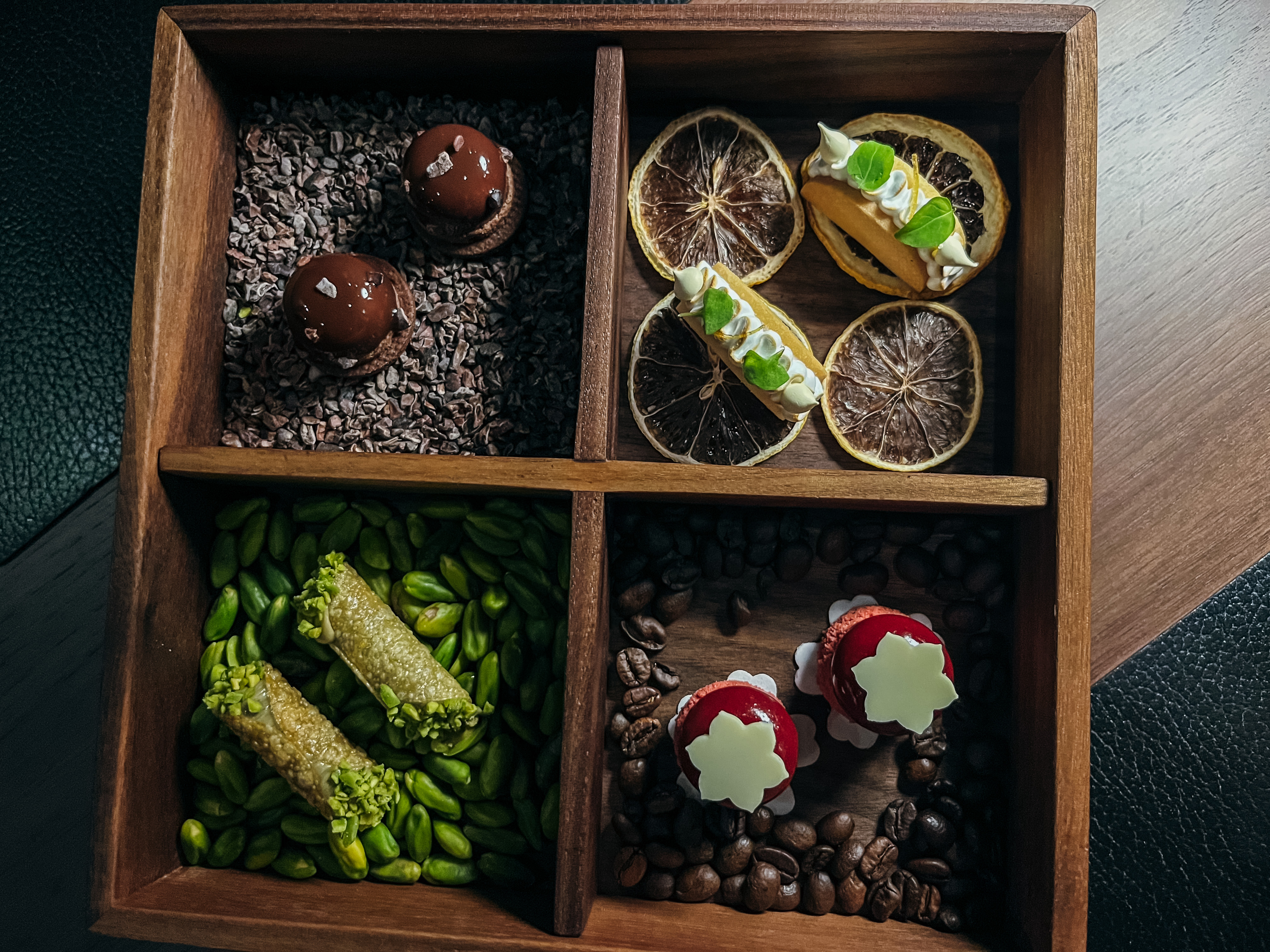
The highlight of Dubrovnik is definitely the architecture, so we spent much of our time exploring the walls, wandering its streets, and relaxing by the ocean. We also had a delightful meal at Restaurant 360 (almost went back a second night!), where local ingredients were on display with impeccable execution.
Montenegro: Herceg Novi, Kotor, and Perast
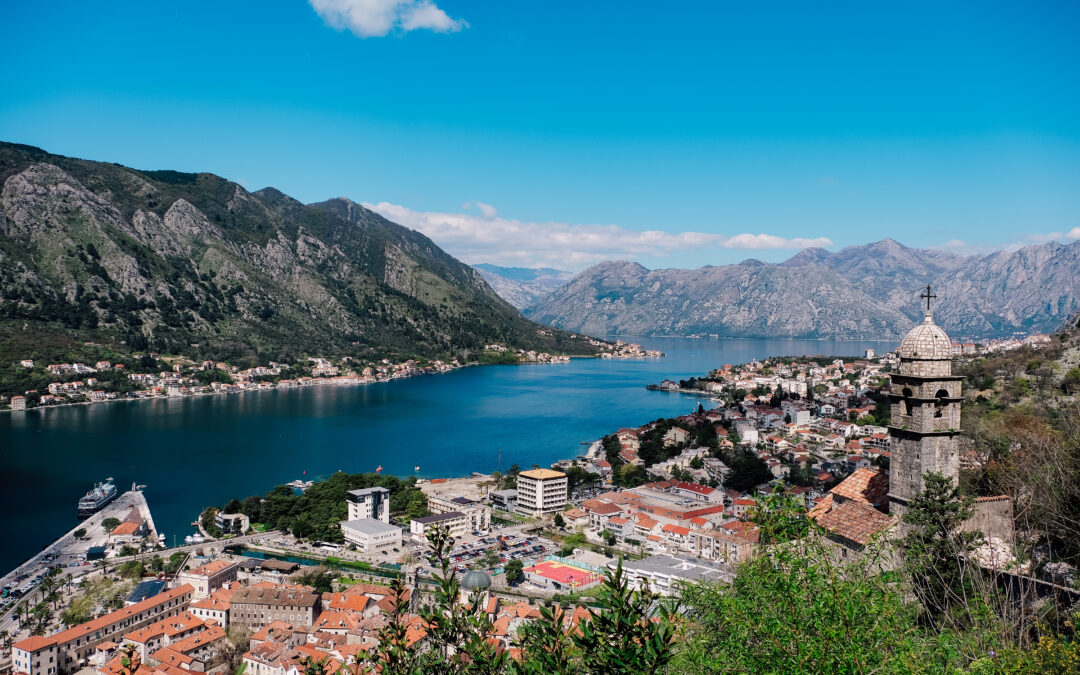
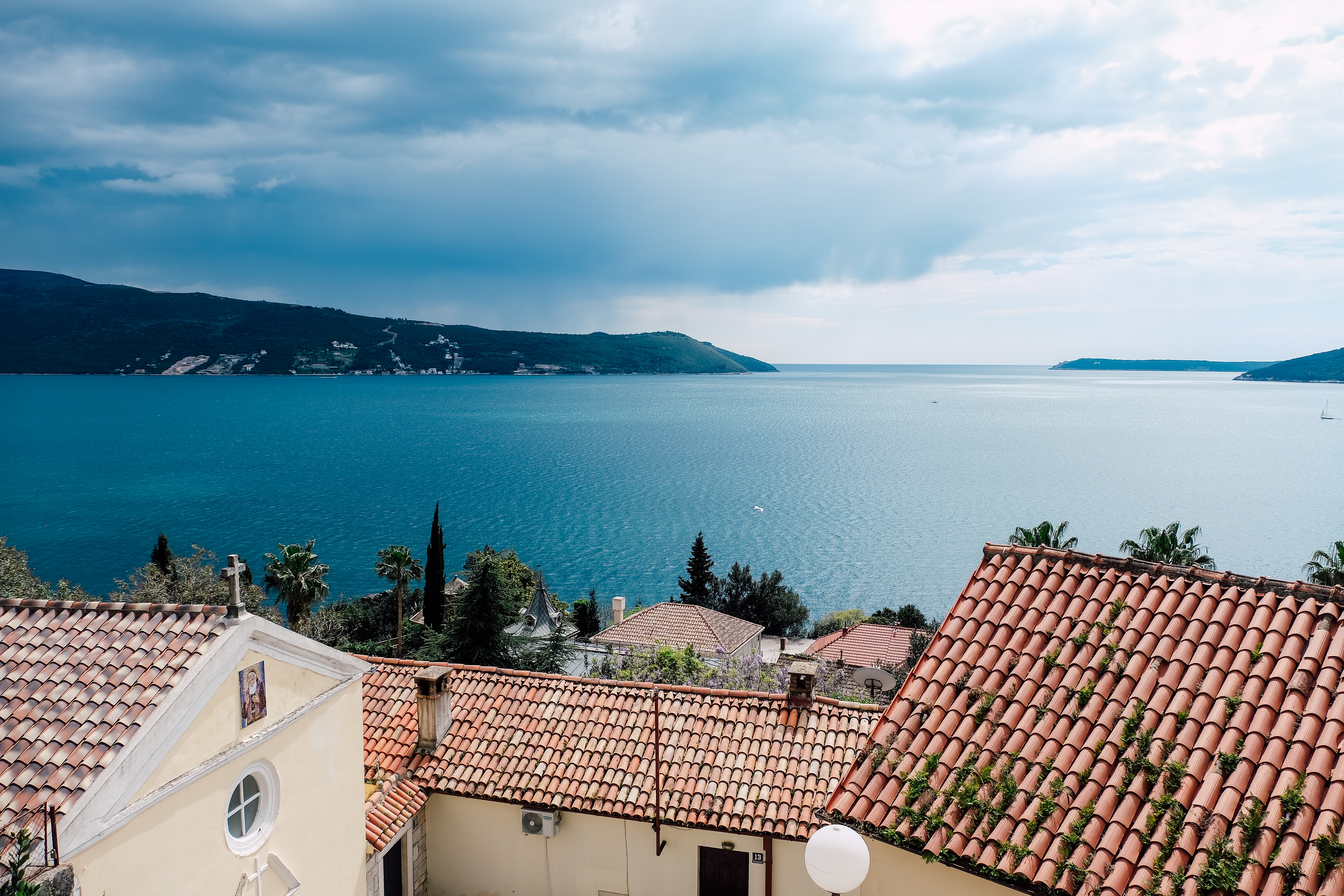
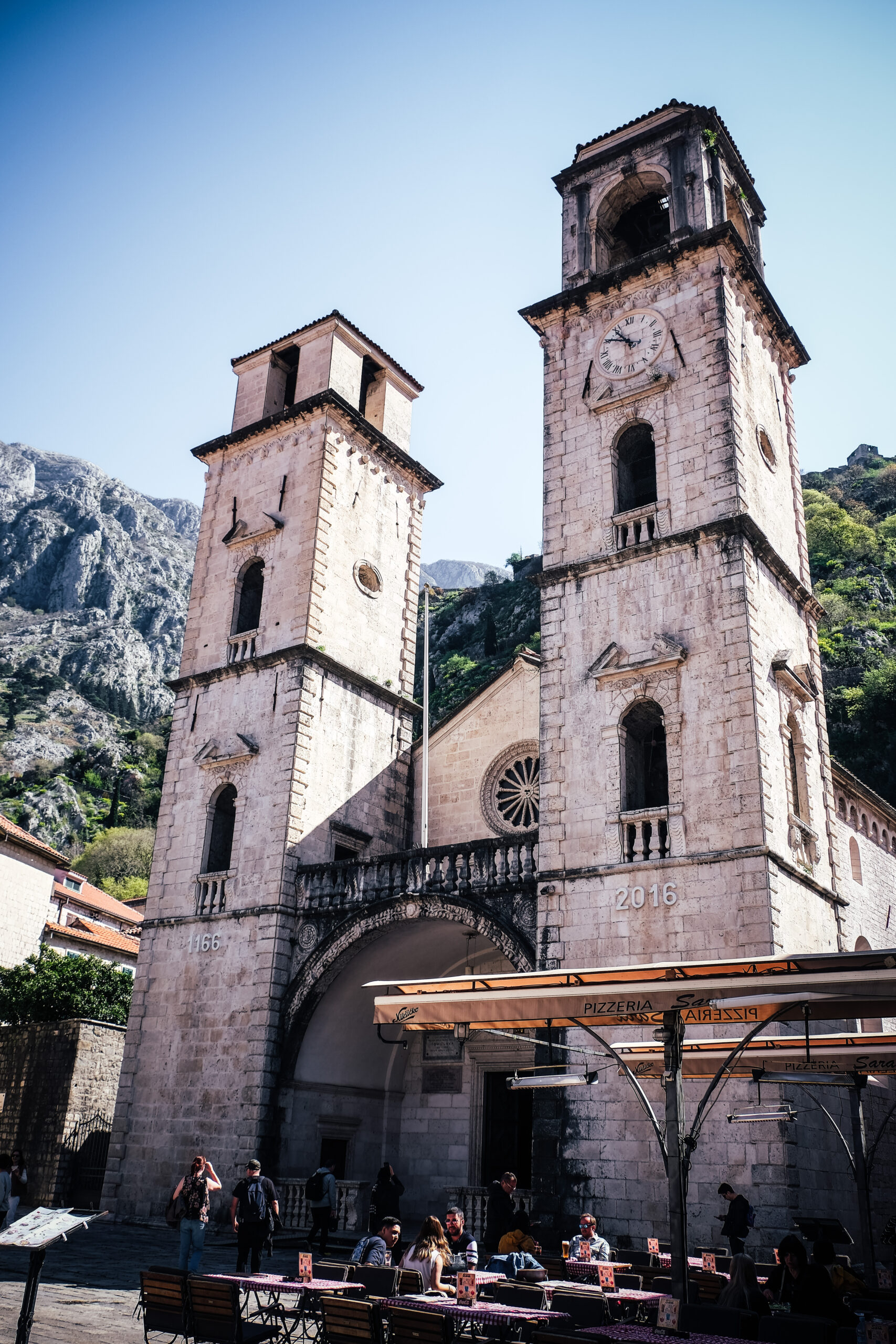
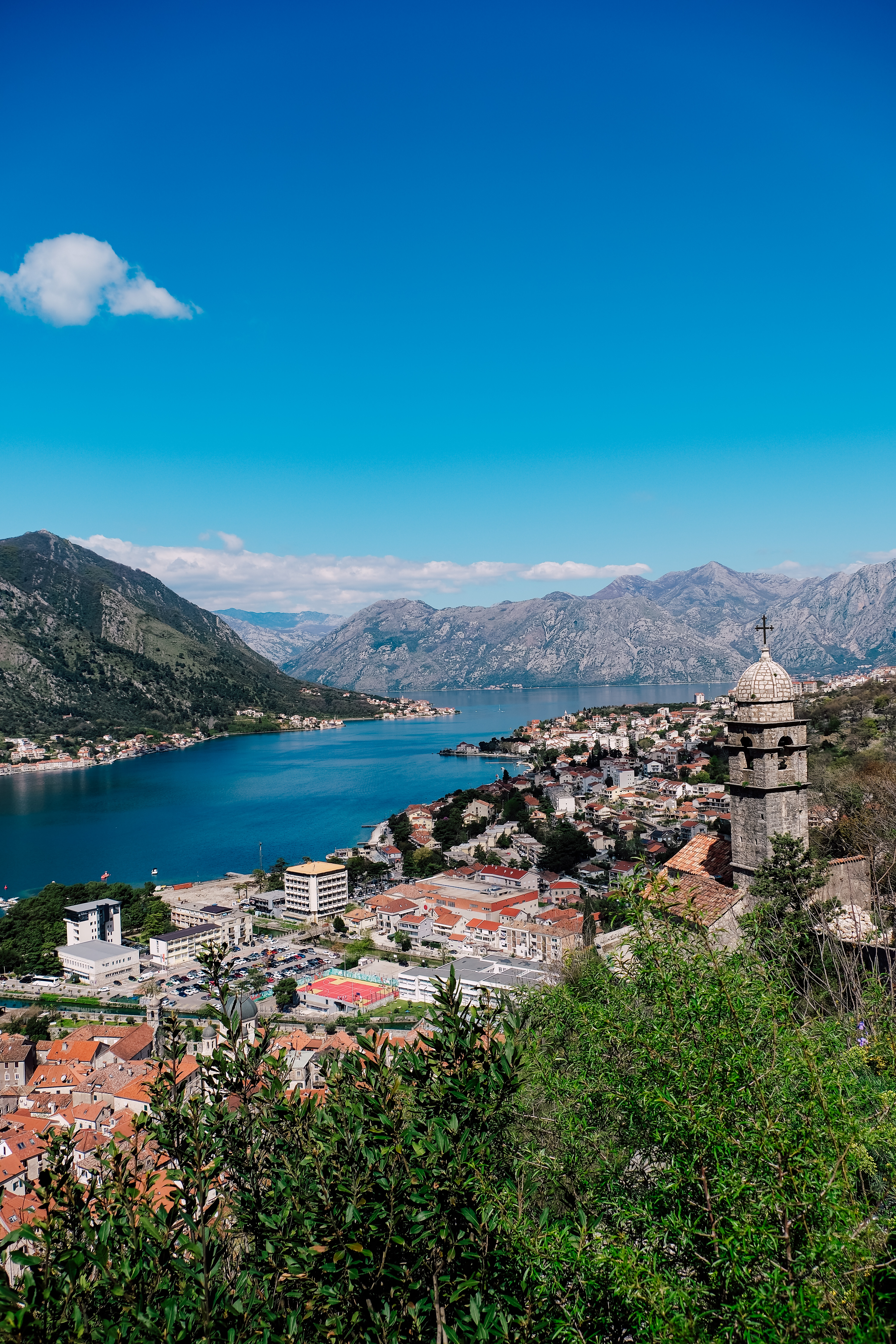
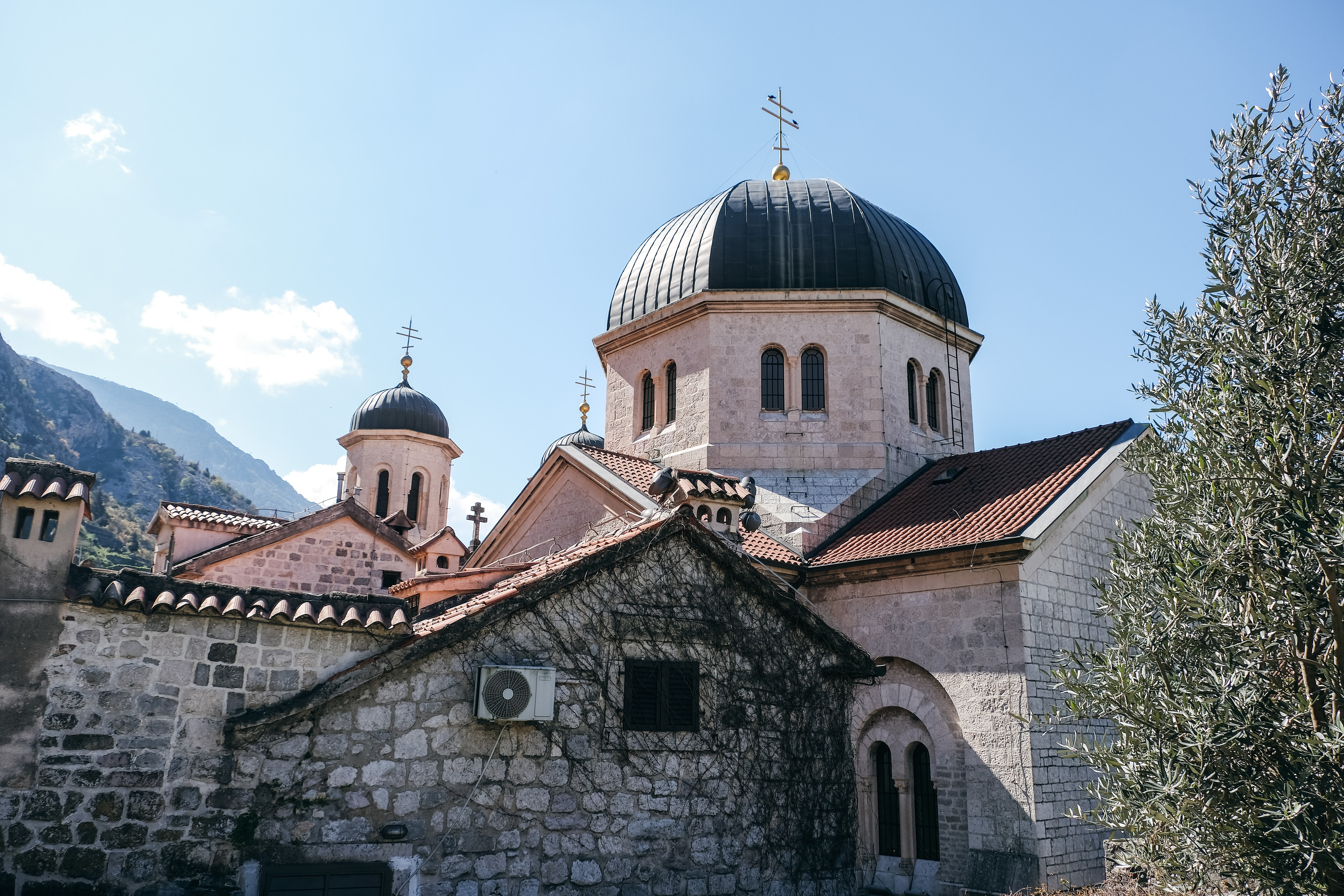
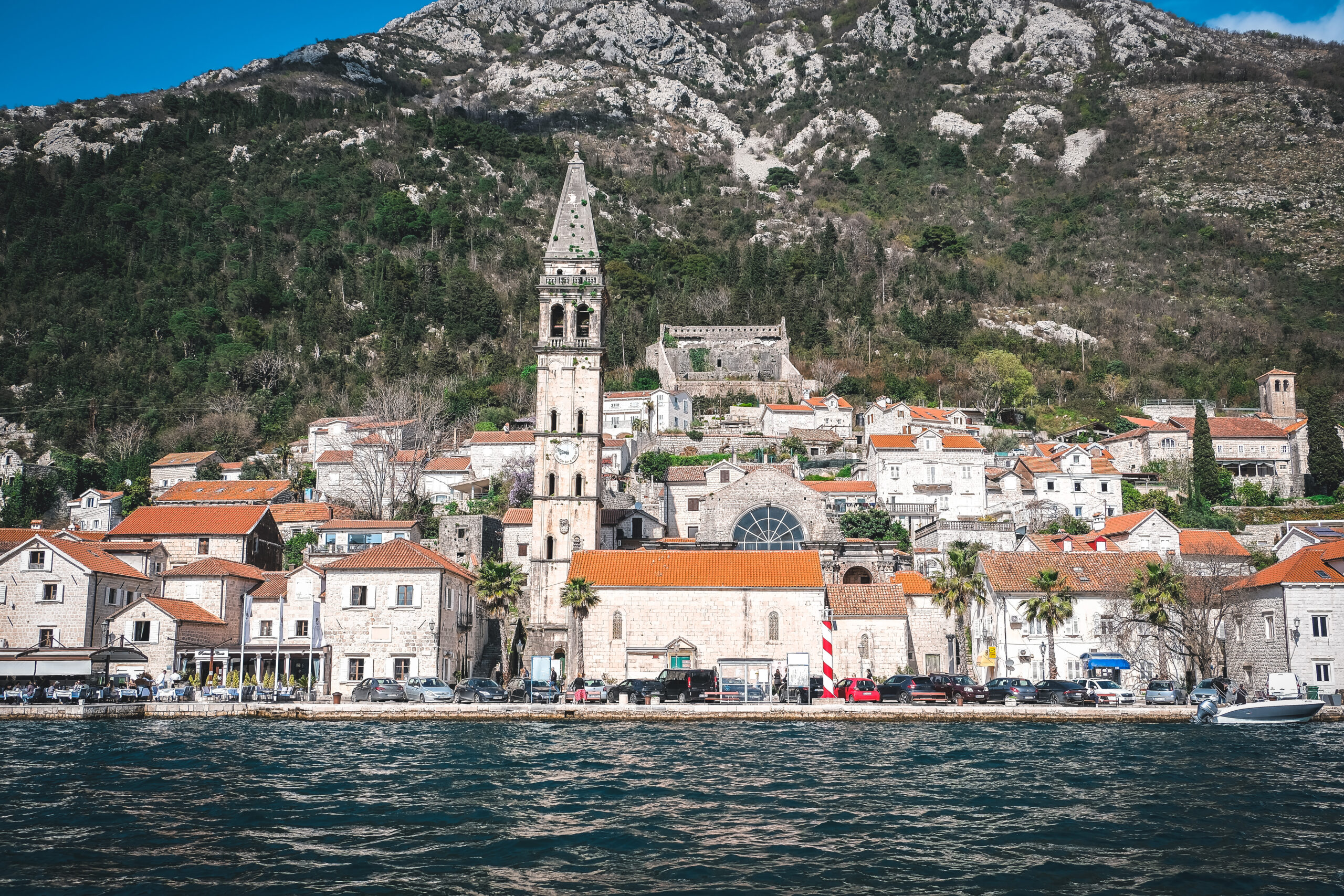
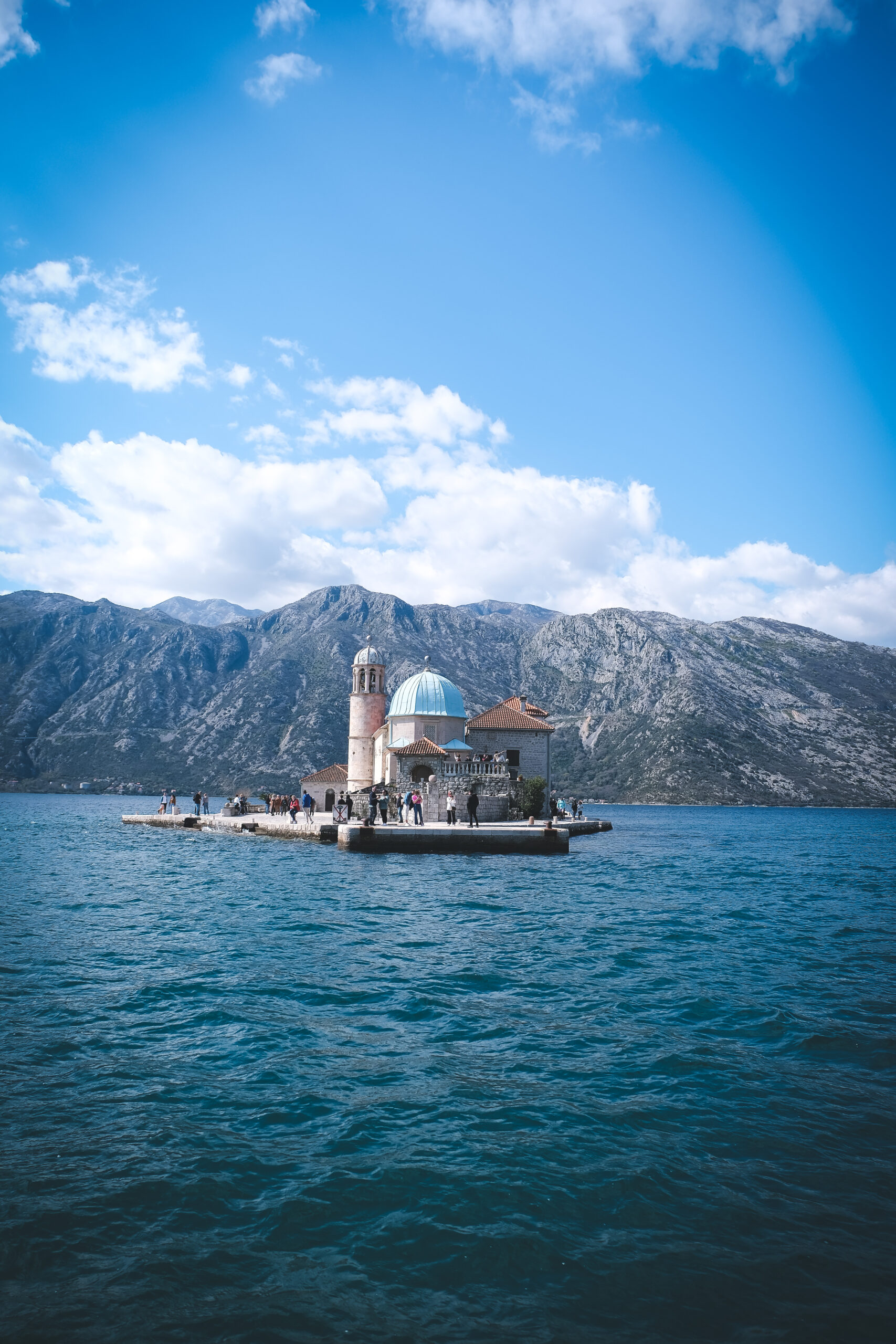
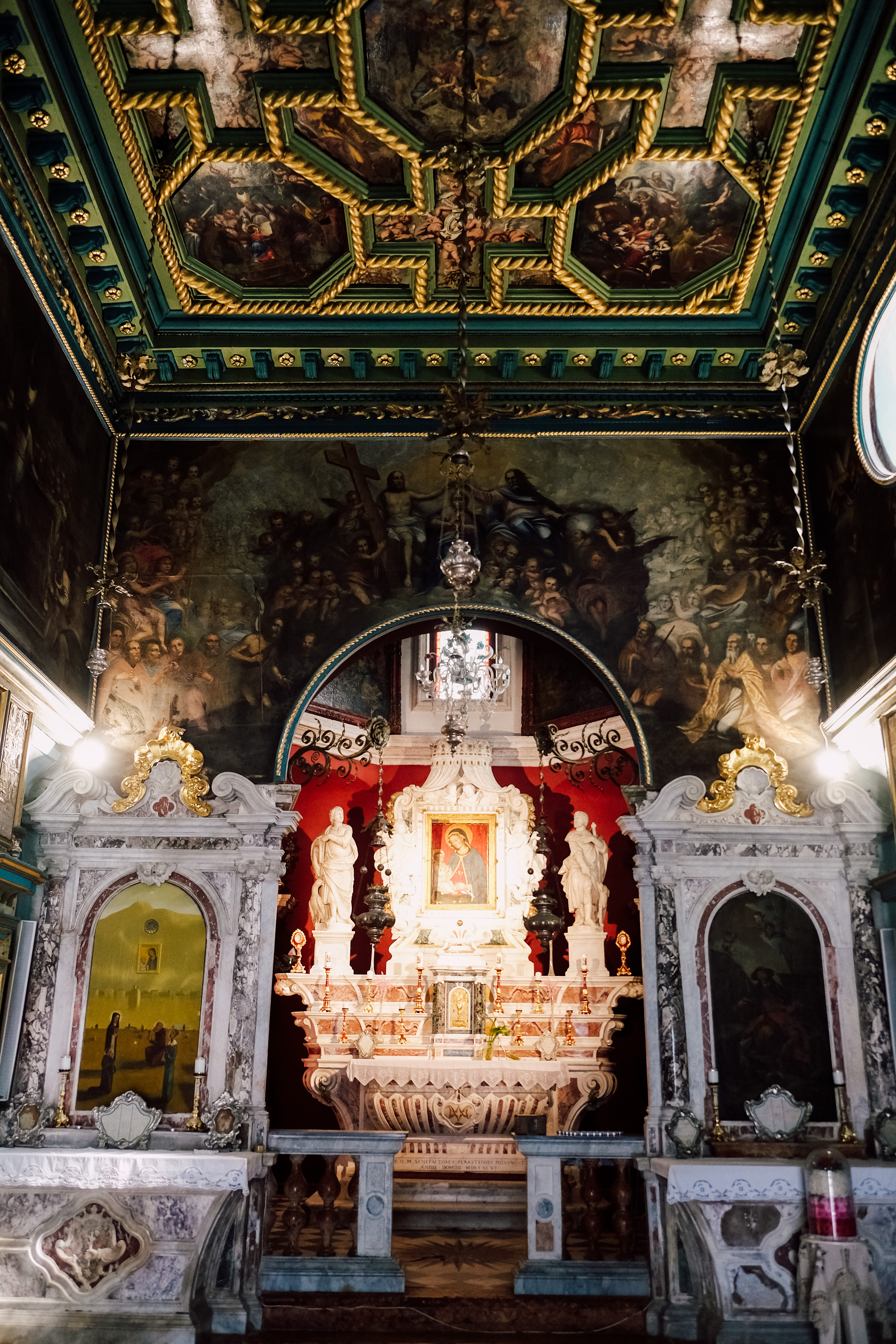
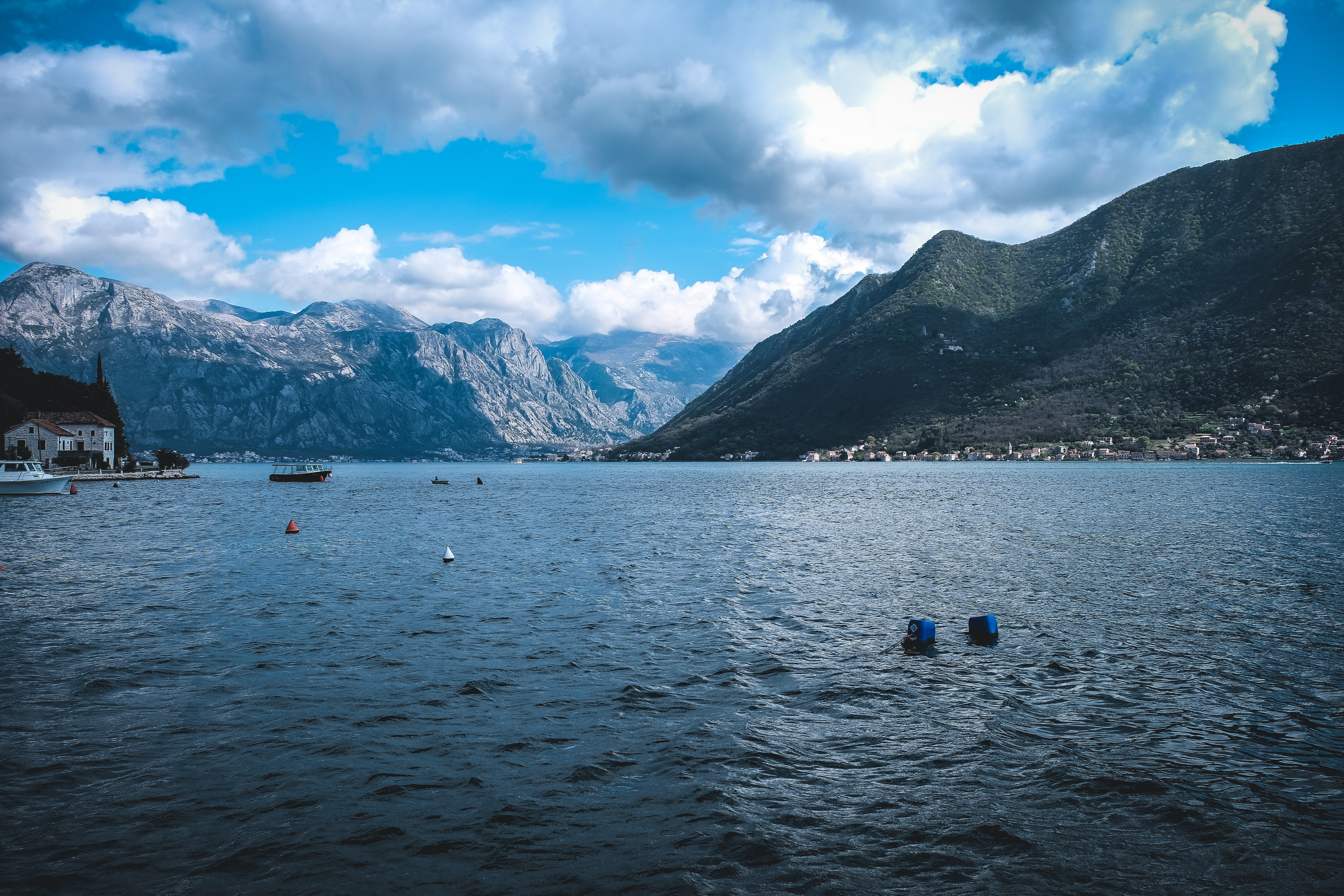
Our final stop on this road trip was Montenegro— particularly, the Bay of Kotor which is studded with lovely historic towns. While definitely popular with tourists, each town has unique corners and vistas that still felt secluded, or locals-only. Our first stop, the town of Herceg Novi, offered a beautiful view of the bay and quiet cafes to relax in. Kotor’s winding hike toward the Church of Our Lady of Remedy offered a breathtaking overlook of the town, while Perast’s regular boats sailed toward the famous island of Church of Our Lady of the Rocks. The latter, built on a manmade island after a mysterious painting of the Madonna was discovered, has a lovely church that is decorated in the local style. I highly recommend paying to enter!
Driving and parking around the Bay was a challenge, and we knew there were a handful of reported parking scams to be contended with. But we got lucky in not being charged or ticketed in a supervised parking area— the systems are definitely not perfect and a bit stressful to navigate, but it’s a small price to pay for the leisurely ability to wander around tour-free.
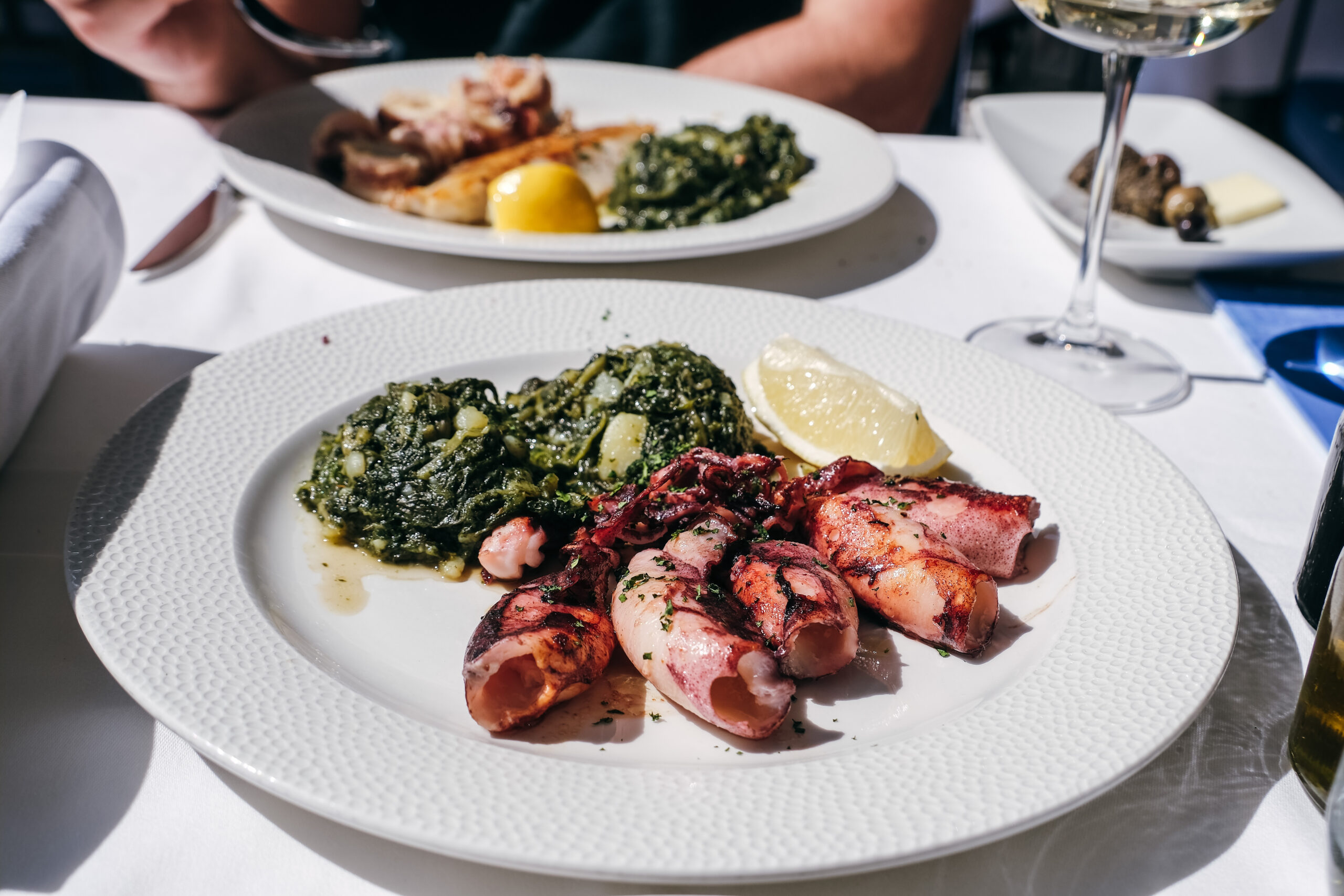
Lunch in Perast was a big highlight, with fresh seafood on offer and the calm bay waters lapping up against the pier. While this whole area of Montenegro is pretty heavy with foreign property ownership and investment, the atmosphere has held true to what feels like a storied past.
The final day we decided to rest at the One and Only Portonovi, a lovely resort and residential area, before getting ready to leave the region.
An extraordinary part of the world
There is so much more to see and learn in each of these countries— and in the region in general. But I’m glad we had the time for a short roadtrip that sought to incorporate slow travel and exploration. Sometimes it’s the best we can do, and it’s a wonderful way to cultivate a richer understanding of a place that I hope to return to someday.
The Balkans, or former Yugoslavia, is a truly magical place. It’s no wonder that people throng its famous towns and vistas every year. But for me, the magic was in the quiet moments, the deep conversations, the empty squares and the open road. And for those who take their time and venture out on their own, the region has these in spades.